• Mon - Fri 8.00 - 17.30 & Sat 9.00-14.00

Blog

Categories Uncategorized

Can children wear contact lenses?

As a parent, you’re constantly making decisions about what’s best for your child. When it comes to vision correction, the question of “Can my child wear contact lenses?” often comes up. While glasses are a tried-and-true solution, contacts offer freedom and convenience, especially for active kids.

The short answer is yes, children can wear contact lenses. In fact, eye care professionals often find that kids as young as eight years old can be successful contact lens wearers. The key isn’t a specific age, but rather a child’s maturity level and sense of responsibility.

The Right Age Isn’t a Number, It’s About Responsibility

While some very young children and even infants may be fitted with contacts for medical reasons (with parental help), for most kids, the decision to switch from glasses to contacts is based on their readiness. Here’s what to consider:

  • Hygiene Habits: Do they wash their hands regularly and thoroughly without being told? Good hygiene is crucial for preventing eye infections.
  • Following Instructions: Can they follow a set of steps carefully? Wearing and caring for contacts involves specific instructions for cleaning, storing, and wearing time.
  • Maturity and Responsibility: Do they take good care of their belongings and remember their daily chores? A child who is generally responsible is more likely to be a good candidate for contact lens wear.

The Advantages of Contact Lenses for Kids

For many children, contacts offer significant benefits beyond just seeing clearly.

  • Enhanced Vision: Contacts provide a full field of vision, which is a major advantage over glasses, especially for sports and other physical activities. They don’t fog up or get in the way.
  • Boosted Confidence: Studies have shown that wearing contact lenses can improve a child’s self-perception and confidence, particularly for those who may feel self-conscious about wearing glasses.
  • Myopia Control: For children with progressive nearsightedness (myopia), specific types of contact lenses are now available that have been clinically proven to slow the progression of the condition.

The Different Types of Lenses for Children

When you visit an eye doctor, they will recommend the best type of lens for your child based on their needs, prescription, and lifestyle.

  • Daily Disposable Lenses: These are often the best choice for children. They are worn for one day and then thrown away. This eliminates the need for daily cleaning and storage, significantly reducing the risk of eye infections.
  • Soft Lenses: These are the most common type of lens and are generally very comfortable to wear. They are made from a flexible, oxygen-permeable material.
  • Rigid Gas Permeable (RGP) Lenses: While less common for new wearers, these can be a great option for certain prescriptions, especially for those with high astigmatism.
  • Orthokeratology (Ortho-K) Lenses: These are special rigid lenses worn overnight to reshape the cornea. Your child can then see clearly during the day without any glasses or contacts. This can also be an effective method for myopia control.

The Parent’s Role: A Partnership in Eye Care

Even if your child is responsible, parental supervision is a key ingredient for success. You will need to be involved in the initial training and ongoing care to ensure your child practices proper hygiene and follows the optometrist’s instructions.

Here’s how to help:

  • Be a Partner: Attend the initial contact lens assessment and training session with your child. Practice inserting and removing the lenses together.
  • Maintain the Routine: Help your child get into the habit of daily lens care. For daily disposables, this means ensuring they throw away the old pair and start with a fresh one. For reusable lenses, it means supervising the cleaning and storage process.
  • Have a Backup: Always have a pair of up-to-date glasses ready. In case of irritation or an infection, the contacts must be removed, and glasses worn until the issue is resolved.
  • Watch for Red Flags: Teach your child to recognize symptoms of eye irritation or infection, such as redness, pain, blurred vision, or excessive watering. If they experience any of these, the lenses should be removed immediately.

Choosing to transition your child to contact lenses is a big step, but it’s a decision that can be empowering for them and beneficial for their vision and confidence. The most important first step is to schedule a comprehensive eye exam with an eye care professional who can assess your child’s specific needs and guide you through the process.

Categories Uncategorized

Eye Exercises: Do They Really Work?

We’ve all heard the old sayings about carrots being good for your eyes, or how squinting will make your eyes “stuck that way.” In the age of digital screens and endless scrolling, another question often comes up: “Can I improve my eyesight with eye exercises?” It’s a popular topic, and for good reason! Many of us are looking for natural ways to support our vision health.

But do these exercises actually work? Let’s take a closer look at the science behind eye exercises and what they can and can’t do for your vision.

What are Eye Exercises?

Eye exercises are a series of movements and focus-based activities designed to strengthen the muscles that control eye movement and focusing. You’ve likely seen some of the popular techniques:

  • The “20-20-20 Rule”: Every 20 minutes, look at something 20 feet away for at least 20 seconds.
  • Near and Far Focus: Alternately focusing on a close object and a distant one.
  • Figure Eights: Tracing a figure-eight pattern with your eyes.
  • Palming: Covering your closed eyes with the palms of your hands to relax them.

These exercises are often promoted as a way to improve conditions like myopia (nearsightedness), hyperopia (farsightedness), and astigmatism.

The Myth: Eye Exercises Curing Refractive Errors

This is where we need to be clear. The scientific consensus is that eye exercises cannot cure or reverse common refractive errors like nearsightedness, farsightedness, or astigmatism.

Think of it this way: these conditions are caused by the shape of your eyeball itself. Myopia, for example, is often due to an eyeball that is slightly too long, causing light to focus in front of the retina. No amount of muscle exercise can change the physical structure of your eyeball. That’s why glasses, contact lenses, or corrective surgery are the only effective treatments for these issues.

The Reality: How Eye Exercises Can Help

So, if they don’t fix vision problems, are eye exercises completely useless? Absolutely not! While they won’t change your prescription, they do offer some significant benefits, especially for those experiencing digital eye strain.

Here’s what eye exercises are good for:

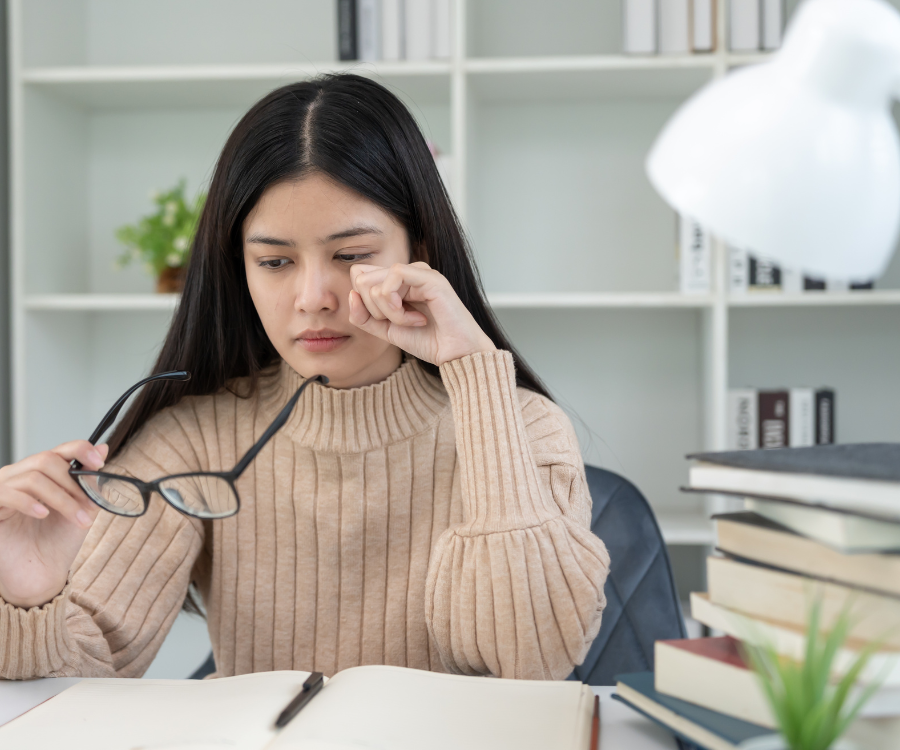
  • Relieving Digital Eye Strain (Asthenopia): This is the most significant benefit. Staring at a screen for hours on end can fatigue the muscles in your eyes. This leads to symptoms like headaches, blurry vision, dry eyes, and neck pain. Exercises like the 20-20-20 rule are incredibly effective at giving your eyes a much-needed break and preventing this discomfort.
  • Improving Focusing Flexibility: As we age, our eyes’ ability to switch focus from near to far can slow down. While not a cure for presbyopia (age-related farsightedness), some exercises can help maintain the flexibility of your focusing muscles, making everyday tasks like reading and then looking up easier.
  • Managing Convergence Insufficiency: This is a specific condition where the eyes have trouble working together to focus on a nearby object. For this particular issue, a doctor or vision therapist may prescribe specific, targeted eye exercises, often called vision therapy, to help retrain the eye muscles.

The Bottom Line: What to Expect

Don’t abandon your glasses or contacts in favor of eye exercises. They are not a magic bullet for vision correction.

However, incorporating a few minutes of eye exercises into your daily routine, especially if you spend a lot of time on screens, can be a great way to:

  • Reduce eye fatigue.
  • Prevent the symptoms of digital eye strain.
  • Maintain eye muscle health.

Think of them as a form of “stretching” for your eyes. You wouldn’t expect stretching to change your bone structure, but it can certainly improve flexibility and prevent muscle cramps. The same principle applies here.

Always remember to consult with your eye care professional (an optometrist or ophthalmologist) for any concerns about your vision. They can provide a proper diagnosis and the best advice for keeping your eyes healthy for years to come.

Categories Uncategorized

Eye Allergies: Relief Tips and Treatment Options

That familiar itch, the redness, the feeling like you’ve been crying for hours—if you’ve ever dealt with these symptoms, you know the frustration of eye allergies. Also known as allergic conjunctivitis, this common condition can turn a beautiful, sunny day or a relaxing moment at home into a cycle of irritation.

But what exactly causes eye allergies, and more importantly, how can you find relief? This post will break down the causes, offer practical tips, and explore the treatment options available to help you see clearly and comfortably again.

The Culprits: What Triggers Eye Allergies?

Eye allergies happen when your body’s immune system overreacts to a normally harmless substance, called an allergen. When the allergen comes into contact with your eye, specialized cells release chemicals like histamine, which cause inflammation, swelling, and that unbearable itching.

Common triggers include:

  • Pollen: The most frequent offender, especially during spring and fall. Pollen from trees, grasses, and weeds can cause seasonal allergic conjunctivitis.
  • Pet Dander: Tiny flakes of skin, saliva, and urine from animals can be a major year-round trigger, leading to perennial allergic conjunctivitis.
  • Dust Mites: Microscopic creatures that live in household dust. They thrive in bedding, carpets, and upholstered furniture.
  • Mold Spores: These can be found both indoors and outdoors, especially in damp, humid environments.
  • Irritants: Things like cigarette smoke, perfume, or even certain cosmetics can also cause an allergic reaction.

Symptoms: How Do You Know It’s Allergies?

While eye allergy symptoms can sometimes be mistaken for an infection like pink eye (bacterial or viral conjunctivitis), there are a few key signs to look for:

  • Intense itching: This is the hallmark symptom of an eye allergy.
  • Red, bloodshot eyes: The inflammation causes blood vessels in the conjunctiva to dilate.
  • Watery eyes and tearing: Your body produces tears to try and flush out the allergen.
  • Puffy, swollen eyelids: Inflammation can cause the eyelids to swell.
  • Burning or stinging sensation.
  • Sensitivity to light (photophobia).

If you also have a runny nose, sneezing, or a scratchy throat, it’s a good sign that your symptoms are allergy-related.

Relief Tips: Simple Strategies for Soothing Your Eyes

You don’t always need a prescription to find relief. Here are some simple, at-home tips to help manage your eye allergies:

  • Avoid the Allergen: This is the most effective strategy. If you know your trigger, do your best to limit your exposure. On high-pollen days, keep windows closed and use an air conditioner with a good filter.
  • Cold Compresses: Apply a cool, damp cloth to your closed eyes for 10-15 minutes. The cold temperature helps constrict blood vessels and reduce swelling and itching.
  • Don’t Rub Your Eyes: It’s tempting, but rubbing only makes things worse. It can release more histamines and potentially damage the cornea.
  • Cleanliness is Key: Wash your hands often, especially after being outdoors or petting animals. Shower before bed to rinse off pollen from your hair and skin. Regularly wash your bedding in hot water to get rid of dust mites and pet dander.
  • Artificial Tears: Over-the-counter lubricating eye drops can help rinse allergens out of your eyes and provide soothing moisture. Look for preservative-free options if you use them frequently.

Treatment Options: When You Need a Little More Help

If at-home remedies aren’t enough, there are several effective over-the-counter and prescription treatments available.

  • Over-the-Counter (OTC) Eye Drops:
    • Antihistamine Drops: These work by blocking histamine, providing quick relief from itching.
    • Mast Cell Stabilizers: These drops prevent the release of histamine and other chemicals that cause allergic reactions. They are most effective when used before your symptoms start.
    • Decongestant Drops: While they can reduce redness, they should be used sparingly (no more than a few days) as prolonged use can cause a “rebound effect,” making the redness worse.
  • Oral Medications:
    • Oral antihistamines (like cetirizine or loratadine) can be very effective, especially if you also have nasal allergy symptoms. Just be aware that some can cause dryness, so it’s a good idea to use lubricating eye drops as well.
  • Prescription Treatments:
    • If your symptoms are severe and persistent, your eye doctor may prescribe stronger anti-allergy eye drops that combine antihistamines and mast cell stabilizers. In very severe cases, a short course of steroid eye drops may be prescribed, but this is always done under a doctor’s supervision due to potential side effects.

When to See a Doctor

While most eye allergy symptoms can be managed at home, it’s important to see an eye care professional if:

  • Your symptoms don’t improve after a few days of self-treatment.
  • You experience severe pain, light sensitivity, or any changes to your vision.
  • You notice a thick, yellow, or green discharge, which could be a sign of an infection.

Eye allergies can be a real nuisance, but with the right knowledge and tools, you can manage the symptoms and get back to enjoying life with clear, comfortable eyes.

Categories Uncategorized

Tips for first-time contact lens users

Clear Vision, Clear Confidence: A First-Timer’s Guide to Contact Lenses

Thinking about making the switch from glasses to contact lenses? It’s a game-changer! Imagine a world without frames slipping down your nose, a wider field of view, and the freedom to wear any sunglasses you want. But if you’re a first-timer, the thought of putting something in your eye can be a little intimidating. Don’t worry, we’ve all been there!

Here are some friendly, human-style tips to help you on your journey to clear, comfortable vision.

1. Patience is Your Best Friend

Getting that first lens in can feel like trying to solve a Rubik’s cube with one hand. It might take a few tries, and that’s completely normal. The key is to be patient with yourself. Your eye’s natural reflex is to blink, and you’re essentially training it to do something new.

  • Tip: Practice in a well-lit, quiet room. Take a deep breath. Using a mirror can be helpful, but don’t stare too hard—just a gentle focus on your eye is all you need.

2. The Golden Rule of Cleanliness

Your eyes are incredibly delicate. Before you even think about touching a contact lens or your eye, wash your hands thoroughly with soap and water. Dry them with a lint-free towel. This is non-negotiable! Never, ever use tap water to rinse your lenses.

  • Tip: Always use a fresh, sterile contact lens solution recommended by your eye doctor.

3. It’s All in the Technique

There are a few different ways to insert a lens. The most common is the “forefinger method.”

  • Wash and Dry: Start with clean, dry hands.
  • Check the Lens: Place the lens on the tip of your dominant hand’s forefinger. Make sure it’s not inside out! It should look like a small, smooth bowl with a rounded edge. If the edges flare out, it’s inside out.
  • Hold Your Eyelids: Use your other hand to gently hold your upper eyelid up. At the same time, use the middle finger of your dominant hand to pull your lower eyelid down.
  • Look Up (or Straight Ahead): Gently place the lens on the colored part of your eye. You can look straight ahead, or some people find it easier to look up and place the lens on the white part of their eye first.
  • Let Go and Blink: Once the lens is on, slowly release your eyelids and blink a few times. The lens should center itself.

4. Listen to Your Eyes

Your eyes will tell you if something isn’t right. If a lens feels uncomfortable, scratchy, or you see a blur, take it out immediately. It might be inside out, dirty, or have a tiny tear.

  • Tip: If you’re a beginner, start with wearing your lenses for just a few hours a day and gradually increase the time as your eyes get used to them.

5. Don’t Skip the Follow-Up

Your eye doctor is your best resource. They’ve guided you through the initial fitting, and they’ll be there for a follow-up appointment to make sure everything is going smoothly. Don’t be shy about asking questions!

  • Tip: Discuss your lifestyle with your doctor. Do you have dry eyes? Are you an athlete? They can recommend the best type of lens for your needs (daily disposables, extended wear, etc.).

6. Remember to Take Them Out!

This might seem obvious, but it’s one of the most common mistakes people make. Always remove your lenses before sleeping unless your doctor has specifically said you can wear them overnight. Sleeping in lenses not designed for extended wear can significantly increase your risk of eye infections.