• Mon - Fri 8.00 - 17.30 & Sat 9.00-14.00

Monthly Archives: July 2025

Categories Uncategorized

10 Signs You Might Be Experiencing Vision Problems

10 Subtle Signs You Might Be Experiencing Vision Problems

Our eyes are incredible, constantly working to help us navigate the world. But because they’re so adaptable, it’s easy to overlook subtle changes that might indicate a vision problem. Many people dismiss these early warning signs, assuming they’re just tired or need new glasses. However, catching vision issues early can often lead to more effective treatment and prevent further deterioration.

So, how do you know if your eyes are trying to tell you something? Here are 10 signs that might suggest it’s time to schedule an eye exam:

1. Frequent Headaches, Especially After Close Work: If you find yourself reaching for the pain relievers more often, especially after reading, using a computer, or doing detailed tasks, your eyes could be straining. This often happens when your vision isn’t quite right and your eyes are working overtime to compensate.

2. Squinting or Tilting Your Head: Do you constantly find yourself narrowing your eyes to read street signs or bring distant objects into focus? Or perhaps you unconsciously tilt your head to get a clearer view? These are classic indicators that your eyes are struggling to achieve sharp vision.

3. Blurred or Double Vision: This one might seem obvious, but blurriness can be intermittent, making it easy to dismiss. If objects sometimes appear fuzzy, or you occasionally see two of something where there should only be one, it’s definitely a red flag.

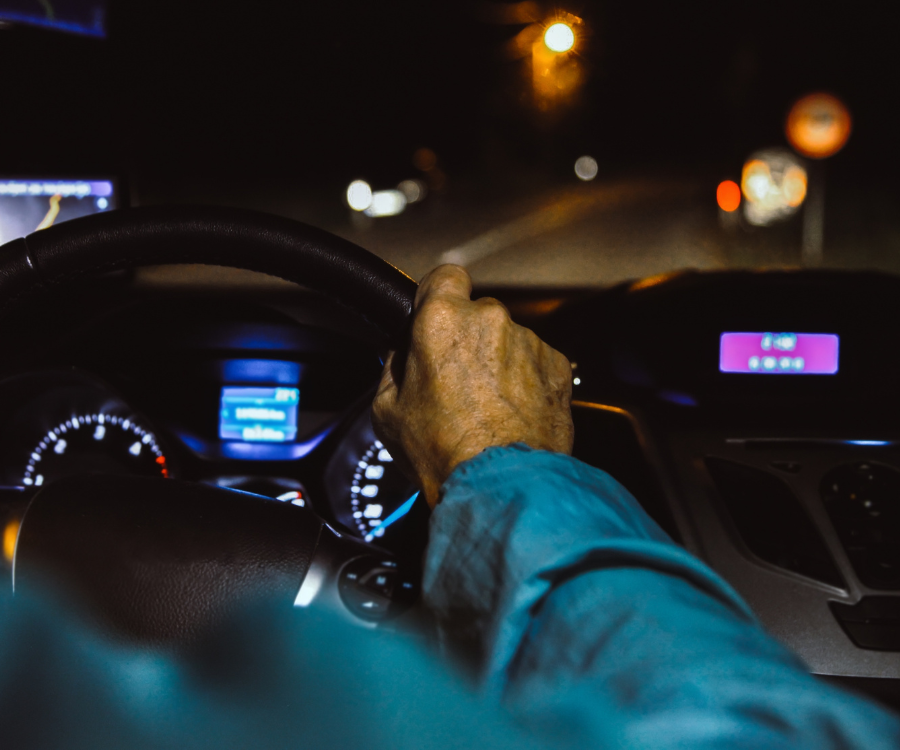
4. Difficulty Seeing at Night or in Low Light: Are night drives becoming more challenging? Do you struggle to see clearly in dimly lit restaurants or movie theaters? Reduced night vision can be a sign of various eye conditions and warrants investigation.

5. Eye Strain or Fatigue: Do your eyes feel tired, achy, or “heavy” by the end of the day, even if you haven’t been staring at a screen for hours? This general fatigue can be a sign that your eyes are working harder than they should be to focus.

6. Increased Sensitivity to Light (Photophobia): If bright lights suddenly seem overly intense or cause discomfort, you might be experiencing photophobia. While sometimes a symptom of other conditions, it can also be linked to underlying eye issues.

7. Seeing Halos Around Lights: Not to be confused with the cool effect in a sci-fi movie, seeing rings or “halos” around headlights or other light sources, especially at night, can be a symptom of conditions like cataracts or glaucoma.

8. Dry or Watery Eyes (Persistently): While environmental factors can cause dry or watery eyes, persistent symptoms could indicate an underlying issue with your tear production or drainage. Sometimes, your eyes might water excessively to compensate for dryness.

9. Difficulty Adjusting Between Distances: Do you find it takes longer for your eyes to adjust when you look from something far away to something up close, or vice versa? This could be a sign of presbyopia (age-related focusing difficulty) or other refractive errors.

10. Changes in Color Perception: While subtle, a gradual change in how you perceive colors – perhaps they seem less vibrant or a bit “off” – can be a sign of certain eye conditions that affect the retina or optic nerve.

Don’t Wait, Get Your Eyes Checked!

If you’re experiencing one or more of these signs, don’t just hope they’ll go away. Many vision problems are progressive, meaning they can worsen over time if left untreated. An optometrist or ophthalmologist can perform a comprehensive eye exam to diagnose any issues and recommend the best course of action. Your vision is precious – prioritize its health!
Categories Uncategorized

Understanding Colour Blindness in Children

Understanding Colour Blindness in Children: A Parent’s Guide

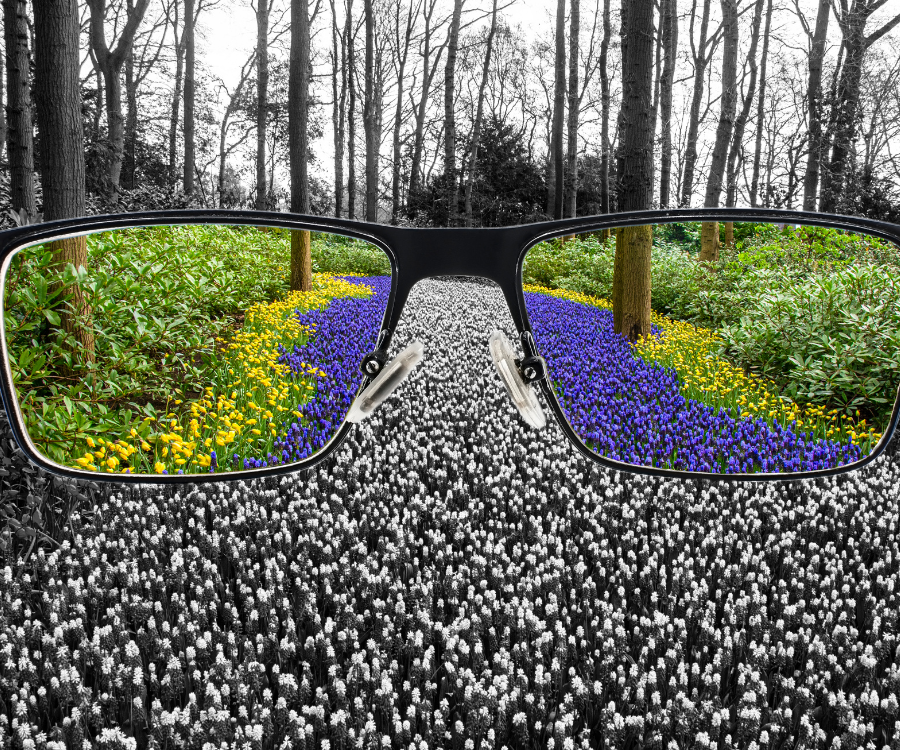
Imagine a world where the vibrant reds of a stop sign blend into the green of a tree, or where a blue sky looks indistinguishable from a yellow sun. For children with colour blindness, this can be their reality. While often misunderstood as seeing only black and white, colour blindness (or colour vision deficiency) is a spectrum of conditions that can impact a child’s learning, play, and daily life in subtle yet significant ways.

As parents, we want to ensure our children thrive. Recognising the signs of colour blindness early can make a world of difference in providing the right support and adjustments.

What Exactly Is Colour Blindness?

At its core, colour blindness is a reduced ability to distinguish between certain colours. Our eyes have special cells called cones in the retina that are responsible for detecting colour – specifically red, green, and blue light. When one or more of these cone types are missing or not working correctly, colour perception is affected.

The most common types of colour blindness are:

  • Red-Green Colour Blindness: This is by far the most prevalent, especially in boys (affecting about 1 in 12 boys and 1 in 200 girls). Children with this type struggle to differentiate between shades of red and green. There are variations within this, such as protanomaly/protanopia (difficulty with red light) and deuteranomaly/deuteranopia (difficulty with green light).
  • Blue-Yellow Colour Blindness: Less common, this type involves difficulty distinguishing between blue and yellow hues.
  • Complete Colour Blindness (Achromatopsia): This is extremely rare, where an individual sees only in shades of grey. It often comes with other vision issues like light sensitivity.

Most cases of colour blindness are inherited, passed down through genes on the X chromosome. This is why it’s far more common in males.

Signs to Look For: Is Your Child Seeing Colours Differently?

Detecting colour blindness in children can be tricky because they often adapt without even realizing their vision is different. They learn to use other cues besides colour to identify objects. However, there are some tell-tale signs parents and educators can watch for:

  • Incorrect Colour Usage: Does your child consistently use “wrong” colours in drawings, like a purple sun or green faces?
  • Difficulty Naming Colours: While many young children take time to learn colour names, a persistent struggle beyond the usual developmental stage could be a flag.
  • Trouble with Colour-Based Tasks: Do they struggle to sort toys by colour, match socks, or complete activities in school that rely on colour identification (e.g., colour-coded charts, worksheets)?
  • Frustration with Art or Craft Activities: They might shy away from colouring or painting.
  • Confusing Similar Shades: They might mix up red, green, and brown, or blue and purple.
  • Difficulty Identifying Ripe Food: For instance, not being able to tell if a banana is ripe by its colour.

If you notice a combination of these signs, it’s a good idea to consult an eye care professional.

Diagnosis and Next Steps

Colour blindness is typically diagnosed by an optometrist using simple, non-invasive tests. The most common is the Ishihara Plate Test, where a child is asked to identify numbers or shapes hidden within patterns of coloured dots. Other tests, like the Hardy-Rand-Rittler (HRR) Test or Farnsworth-Munsell 100 Hue Test, might also be used.

While there’s no “cure” for inherited colour blindness, early diagnosis is incredibly valuable. It allows parents and teachers to understand and support the child effectively, preventing potential frustration and learning difficulties.

Supporting Your Child with Colour Blindness

Understanding is the first step. Here’s how you can help your child navigate a world that often relies on colour:

  • Communicate with Teachers: Inform your child’s educators about their colour blindness. This allows them to adjust teaching materials. They can:
    • Avoid red-green combinations in worksheets.
    • Use patterns, textures, or labels in addition to colour.
    • Provide high-contrast materials.
    • Allow verbal explanations for colour-based instructions.
  • Label Everything: Label crayons, markers, and other art supplies with their colour names.
  • Teach Practical Workarounds: Help your child memorize the order of traffic lights (top to bottom) rather than relying solely on colour. For cooking, teach them to use a meat thermometer instead of judging by colour.
  • Encourage Open Dialogue: Talk to your child about their experiences. Let them know it’s okay to ask for help when they can’t distinguish a colour.
  • Leverage Technology: Some apps can help identify colours, and special coloured lenses (though not a cure) can sometimes help individuals differentiate certain shades.
  • Focus on Strengths: Reassure your child that colour blindness is just a different way of seeing, not a limitation. Many successful individuals are colour blind! In fact, some studies suggest colour-blind individuals may even be better at spotting certain types of camouflage.

Colour blindness in children is more common than many realise, and it’s a difference, not a disability. By being observant, seeking early diagnosis, and providing thoughtful support, we can empower our children to embrace their unique way of seeing the world and thrive in every aspect of their lives.

Categories Uncategorized

How Lighting Affects Your Eyes at Home and Work

Shedding Light: How Lighting Affects Your Eyes at Home and Work

Think about it: from the moment you wake up to the minute you close your eyes, your eyes are constantly working. And what plays a massive, yet often overlooked, role in their comfort and long-term health? The lighting around you. Whether you’re unwinding at home or tackling tasks at the office, the quality and type of illumination can significantly impact your eye health, productivity, and even your mood.

Let’s shed some light on how different lighting conditions affect your eyes and what you can do to create more eye-friendly environments.

The Science Behind the Glow: How Light Impacts Your Vision

Our eyes are incredible organs, designed to adapt to a vast range of light levels. However, prolonged exposure to less-than-ideal lighting can lead to various issues:

  • Eye Strain and Fatigue: Too dim or too bright light, or light that creates harsh glare, forces your eyes to work harder to focus. This can lead to symptoms like headaches, blurred vision, dry eyes, and general eye fatigue.
  • Reduced Visual Acuity: Inadequate lighting can make it difficult to discern details, causing you to squint and increasing the strain on your eyes.
  • Disrupted Circadian Rhythm: Exposure to certain types of light, particularly blue light from screens and some LED bulbs, especially at night, can interfere with your body’s natural sleep-wake cycle, leading to poor sleep quality.
  • Long-Term Damage: While less common in typical home/office settings, extreme or prolonged exposure to certain wavelengths (like intense UV without protection) can contribute to long-term eye damage.

At Home: Creating Your Oasis of Optimal Light

Your home should be a haven, and that includes your eyes. Here’s how lighting plays a role:

  • Ambient Lighting is Key: This is your general, overall illumination. Aim for soft, diffused light that fills the room without creating harsh shadows. Think ceiling fixtures with diffusers or multiple lamps instead of one bright overhead bulb.
  • Task Lighting for Activities: When reading, cooking, or pursuing hobbies, task lighting is crucial. A good desk lamp or under-cabinet lighting for the kitchen provides focused illumination where you need it most, reducing eye strain.
  • Minimize Glare from Screens: Position your computer screen or TV to avoid direct reflections from windows or bright lights. Using anti-glare screens or adjusting monitor brightness can also help.
  • Embrace Natural Light: Whenever possible, maximize natural daylight. It’s the best light for your eyes, improving mood and visual comfort. Arrange furniture to take advantage of windows, but use blinds or curtains to manage direct sun.
  • Warm vs. Cool Tones: “Warm” light (lower Kelvin temperature, like 2700K-3000K) is generally relaxing and suitable for bedrooms and living areas. “Cool” light (higher Kelvin, 4000K-5000K) is more invigorating and can be good for kitchens or utility areas where alertness is needed, but avoid it in relaxation spaces.

At Work: Boosting Productivity and Protecting Your Vision

The office environment often demands prolonged periods of intense visual work, making proper lighting even more critical.

  • Balance Between Natural and Artificial Light: Ideally, your workspace should leverage natural light without causing excessive glare. Desk placement near windows is often preferred, but manage direct sunlight with blinds.
  • Uniform Illumination: Avoid stark contrasts between brightly lit areas and dark corners. This forces your eyes to constantly adjust, leading to fatigue.
  • Adjustable Task Lighting: A good desk lamp with adjustable brightness and direction is indispensable. Direct the light onto your work surface, not into your eyes or onto your screen.
  • Reduce Screen Glare: This is paramount in an office. Position monitors correctly, use matte screen protectors, and ensure overhead lights aren’t reflecting directly off your screen. Consider anti-glare glasses if needed.
  • Avoid Flickering Lights: Old fluorescent lights that flicker are notorious for causing eye strain and headaches. If you notice flickering, report it to facilities management. Modern LED lighting is generally flicker-free.
  • Regular Breaks: No matter how good the lighting, taking regular breaks (the 20-20-20 rule – every 20 minutes, look at something 20 feet away for 20 seconds) is vital to relax your eye muscles.

The Power of Proper Lighting: A Brighter Future for Your Eyes

Investing a little time and effort into optimizing the lighting in your home and workspace can yield significant benefits. You’ll experience less eye strain, improved comfort, better concentration, and potentially even better sleep.

So, take a moment to assess the light around you. Are your eyes thanking you, or are they struggling in the shadows? Adjusting your illumination can be one of the simplest yet most effective steps you take towards long-term eye health.

Categories Uncategorized

Driving at Night: Tips for Safer Vision on the Road

Navigating the Dark: Tips for Safer Vision When Driving at Night

As the sun sets and the roads get darker, driving becomes a different challenge. Reduced visibility, glare from oncoming headlights, and fatigue can all make night driving a more demanding and potentially risky experience. But with the right knowledge and habits, you can significantly improve your vision and safety on the road after dark.

Here are some essential tips for a clearer and safer night drive.

1. Keep Your Windshield and Windows Squeaky Clean

This might seem simple, but it’s one of the most effective steps you can take. A dirty windshield can turn a minor glare into a blinding flash. Smudges, dust, and streaks scatter light, making it difficult to see clearly, especially when facing oncoming headlights or streetlights.

  • Inside and Out: Don’t just clean the outside; wipe down the inside of your windows and windshield with a clean cloth and a good glass cleaner. This removes the film that builds up from air conditioning, dust, and car materials.
  • Wiper Blades: Make sure your wiper blades are in good condition. Old, cracked blades can leave streaks that severely impair visibility during rain.

2. Master Your Headlight Usage

Your headlights are your most crucial tool for seeing and being seen at night. But using them correctly is key.

  • Use High Beams Wisely: High beams are great for illuminating dark, rural roads where there’s no other traffic. However, you must dip them to low beams as soon as you see an oncoming car or when you’re following another vehicle. This prevents you from blinding other drivers, a common cause of night-time accidents.
  • Check Your Alignment: Headlights can become misaligned over time, either pointing too high (glaring at other drivers) or too low (reducing your own visibility). If you notice this, have a mechanic check and adjust them.
  • Keep Them Clean: Just like your windshield, your headlights can get dirty. A quick wipe before you start your drive can make a significant difference.

3. Adjust Your Interior Lighting

Your car’s interior lights can be a major distraction and hinder your night vision.

  • Dim Your Dashboard Lights: A brightly lit dashboard forces your eyes to constantly adjust between the bright display and the dark road, leading to eye strain. Dim the instrument panel lights to the lowest comfortable setting.
  • Avoid Using Interior Dome Lights: Only turn on your interior lights when necessary, as they can cause a sudden loss of night vision.

4. Manage Glare from Oncoming Cars

Glare is a primary concern for night drivers. Here’s how to handle it.

  • Don’t Stare into the Light: When a car with bright headlights approaches, avoid staring directly at them. Instead, shift your gaze down and to the right side of your lane, focusing on the white line or the edge of the road. This keeps your eyes on the road and reduces the blinding effect of the lights.
  • Check Your Mirrors: Adjust your rearview mirror to its “night” or “dim” setting (the small tab at the bottom of the mirror). This will reduce the glare from headlights behind you.

5. Take Care of Your Eyes

Your vision is a priority.

  • Wear Anti-Glare Glasses: If you wear glasses, consider getting a pair with an anti-reflective coating. This coating reduces glare and reflections, making night driving much more comfortable.
  • Get Regular Eye Exams: Your vision can change, and even a slight prescription difference can affect your night vision. Get your eyes checked regularly to ensure your prescription is up to date.
  • Manage Driver Fatigue: Fatigue is a huge factor in night-time accidents. If you feel tired, pull over in a safe, well-lit area and take a break. A short rest or a caffeine boost can make all the difference.

6. Reduce Your Speed

Lowering your speed at night gives you more time to react to unexpected hazards, such as potholes, pedestrians, or animals. Your reaction time and stopping distance are critical, and a reduced speed compensates for the reduced visibility.