
• Mon - Fri 8.00 - 17.30 & Sat 9.00-14.00

Monthly Archives: March 2026

Categories Uncategorized

Blue Light Glasses

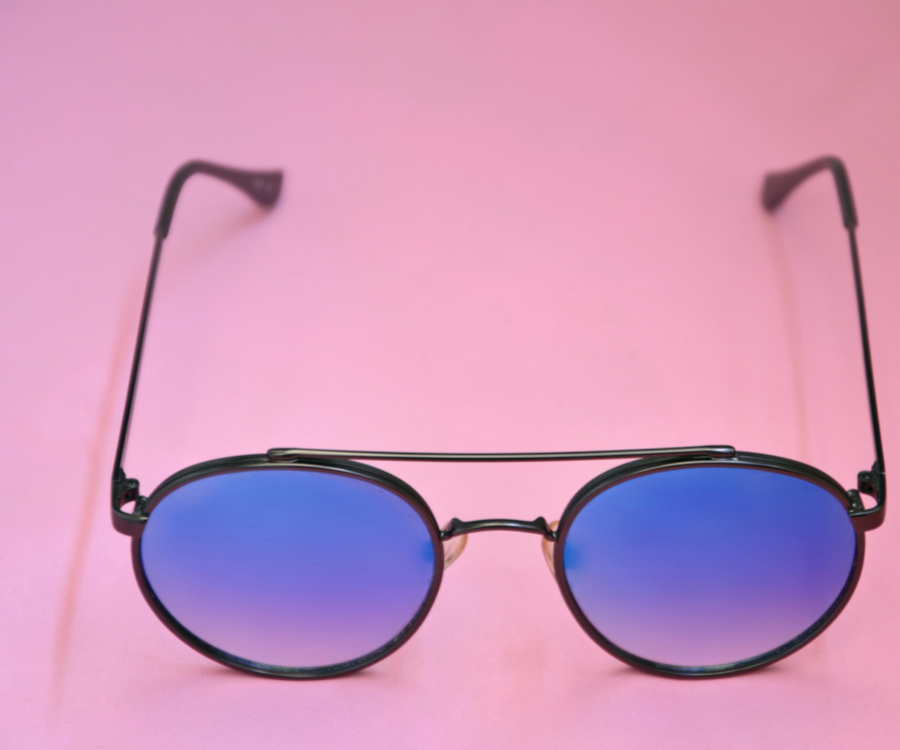
Blue Light Glasses: Do They Really Work? Separating Science from Hype

In a world where we spend an average of seven hours a day staring at digital devices, it is no surprise that “blue light glasses” have become the must-have accessory for the modern professional. Proponents claim these lenses are the ultimate shield against headaches, eye strain, and sleepless nights. But as we move through 2026, the scientific community is offering a much-needed reality check.

If you have been wondering whether to add that blue light coating to your next pair of frames, here is the honest truth about what they can—and cannot—do for your eyes.


What is Blue Light, Anyway?

Blue light is a high-energy visible (HEV) light with short wavelengths. While we often associate it with iPhones and laptop screens, the primary source of blue light is actually the sun. In fact, the amount of blue light emitted by your computer is just a tiny fraction of what you receive when you step outside on a cloudy day.

Naturally occurring blue light is actually good for us during the day. It boosts alertness, helps memory, and regulates our circadian rhythm—the internal clock that tells our bodies when to wake up and when to sleep. The “problem” arises when we mimic daylight by staring at bright screens late into the evening.

The Great Debate: Do They Fix Eye Strain?

The most common reason people buy blue light glasses is to stop Digital Eye Strain. You know the feeling: dry eyes, a dull headache, and blurred vision after a long afternoon of spreadsheets.

However, major eye health organizations, including the American Academy of Ophthalmology (AAO), have clarified that blue light from screens is not the primary cause of this discomfort. Recent clinical reviews have shown that blue light filtering lenses offer little to no measurable difference in reducing eye strain compared to standard clear lenses.

The real culprits are usually:

  • Reduced Blinking: We blink 66% less often when looking at a screen, which causes our eyes to dry out.
  • Poor Ergonomics: Screens that are too close or positioned at the wrong angle.
  • Uncorrected Vision: Small prescription errors that become obvious during heavy computer use.

Can They Help You Sleep Better?

This is where the science gets a bit more interesting. While blue light glasses might not save your eyes from “damage,” they may save your sleep schedule.

Exposure to blue light in the evening suppresses melatonin, the hormone responsible for sleep. By wearing filtering glasses two to three hours before bed, some users find it easier to wind down. However, experts point out that simply turning on “Night Mode” on your phone or, better yet, putting the device away entirely, is significantly more effective than wearing special glasses while scrolling.

Better Ways to Protect Your Eyes

If you want to ditch the digital fatigue without spending $100 on trendy eyewear, try these proven strategies:

  • The 20-20-20 Rule: Every 20 minutes, look at something 20 feet away for at least 20 seconds. This allows your eye muscles to relax.
  • Mindful Blinking: Make a conscious effort to blink fully and frequently to keep the surface of your eyes moist.
  • Optimize Your Workspace: Position your monitor about 25 inches (arm’s length) away and slightly below eye level to reduce the strain on your focusing muscles.
  • Manage Lighting: Ensure your room lighting is bright enough that your screen doesn’t feel like a flashlight in a dark cave, which causes significant glare.

The Bottom Line

Do blue light glasses work? If you are looking for a miracle cure for “computer eyes,” the answer is likely no. They aren’t harmful to wear, and for some, the slight amber tint provides a subjective sense of comfort or a “placebo effect” that makes screen time feel less harsh.

However, for true relief, focusing on better screen habits and ensuring your prescription is up to date will always outperform a pair of non-prescription blue light blockers.

Categories Uncategorized

Vision & Mental Health: Is There a Link?

When we talk about wellness, we often put our physical health in one box and our mental health in another. We go to the gym for our bodies, see a therapist for our minds, and visit the optometrist for our eyes. However, recent medical research has highlighted a powerful, bidirectional connection between vision and mental health.

If you have ever felt a surge of anxiety after a day of blurry vision or noticed your eyes twitching during a high-stress week, you have experienced this link firsthand. Your eyes aren’t just “windows to the soul”—they are high-speed data cables connected directly to your brain’s emotional centers.


How Vision Loss Impacts Mental Well-being

For many, the onset of vision impairment is more than a physical challenge; it is a significant life event that can trigger a grief-like response. Whether it is a gradual decline from age-related macular degeneration (AMD) or a sudden shift, the psychological toll is real.

  • The Loss of Independence: Many daily tasks—driving, reading, or navigating a grocery store—rely on clear sight. When these become difficult, it often leads to feelings of helplessness and a loss of self-esteem.
  • Social Isolation: Vision issues can make social gatherings feel overwhelming. If you struggle to recognize faces or navigate a crowded room, you might find yourself staying home more often, which is a leading risk factor for depression.
  • Hyper-Vigilance and Anxiety: Living with declining sight often means constantly worrying about the future. This “anticipatory grief” keeps the nervous system in a state of high alert, leading to chronic anxiety.

The “Vicious Cycle”: Can Stress Affect Your Sight?

The link isn’t a one-way street. While poor vision can impact your mood, chronic stress and mental health conditions can also manifest as physical eye symptoms. This is often referred to as “psychosomatic ophthalmology.”

When you are stressed, your body is flooded with cortisol and adrenaline. These hormones cause your pupils to dilate and the muscles around your eyes to tighten. Over time, this can lead to:

  • Eye Twitching (Myokymia): Often the first sign that your stress levels are boiling over.
  • Light Sensitivity and Eye Strain: Constant muscle tension makes it harder for your eyes to focus comfortably.
  • Blurred Vision: High stress can affect the blood flow to the retina, leading to temporary “tunnel vision” or fuzziness.

In some cases, long-term mental distress can even accelerate the progression of conditions like glaucoma by increasing intraocular pressure.


Breaking the Cycle: A Holistic Approach to Care

Because the mind and eyes are so closely linked, treating them in isolation often isn’t enough. If you are struggling with your vision, it is vital to acknowledge the emotional weight that comes with it.

Prioritize Regular Eye Exams: Sometimes, what feels like “mental fog” or exhaustion is actually undiagnosed eye strain. Modern solutions like blue-light filters or updated prescriptions can provide immediate relief to your cognitive load.

Incorporate Stress Management: Since stress can worsen visual symptoms, practices like mindfulness, deep breathing, and spending time in nature (which allows for “long-distance” viewing) can help relax the ocular muscles and lower cortisol.

Seek Integrated Support: If vision loss is affecting your quality of life, don’t hesitate to speak with a mental health professional. Many therapists now specialize in helping patients adjust to chronic health changes, ensuring that your mental resilience stays as sharp as possible.


Final Thoughts

Your vision and your mental health are two parts of the same ecosystem. By taking care of your eyes, you are protecting your brain’s processing power and your emotional stability. Conversely, by managing your stress, you are giving your eyes the best environment to function clearly.