• Mon - Fri 8.00 - 17.30 & Sat 9.00-14.00

Yearly Archives: 2026

Categories Uncategorized

Contact Lens Hygiene in a Digital World

Contact Lens Hygiene in a Digital World: How to Protect Your Eyes in the Screen Age

Between smartphones, laptops, tablets, and TVs, most of us spend the better part of our day staring at a screen. Whether you are running a business from your phone, managing client campaigns, or winding down with a movie, your eyes are working overtime.

If you wear contact lenses, this digital-heavy lifestyle introduces a unique set of challenges. Ever notice how your eyes feel incredibly dry, gritty, or tired by 3:00 PM? It is not just standard fatigue—it is a byproduct of how our eyes behave in front of screens, and it makes proper contact lens hygiene more critical than ever.

Here is a look at why the digital world is tough on contact lenses, and the essential habits you need to adopt to keep your eyes healthy, clear, and comfortable.

The Digital Dilemma: Why Screens and Contacts Do Not Mix

When you stare at a digital screen, your blink rate drops by up to 50%. Instead of the normal 15 to 20 blinks per minute, we often drop to just 5 to 7.

Blinking is your body’s natural way of resurfacing the tear film across your eye. For contact lens wearers, every blink lubricates the lens. When you stop blinking, the lens dries out, tightens, and begins to draw moisture directly from your cornea. This creates a magnet for dust, protein build-up, and cosmetic residue, increasing both discomfort and the risk of micro-scratches on the eye surface.

4 Essential Hygiene Rules for the Digital Screen Age

To prevent irritation and protect your vision, your daily lens care routine needs to adapt to your screen time.

1. Master the “Rub and Rinse” Method

Even if your solution bottle says “No Rub,” digital strain causes more lipid and protein deposits to bake onto the lens surface during the day.

  • Always wash your hands thoroughly with antibacterial soap and dry them with a lint-free towel.
  • Place the lens in your palm, add a few drops of fresh multi-purpose solution, and gently rub the lens with your finger for 10 to 15 seconds before rinsing and storing.

2. Ditch the Tap Water (Completely)

It can be tempting to quickly rinse a dry lens with tap water during a long working session, but this is incredibly dangerous. Tap water contains microscopic organisms, such as Acanthamoeba, which can cling to the lens and cause severe, sight-threatening corneal infections. Only use sterile, prescribed contact lens solutions.

3. Lubricate Safely

If your lenses feel like sandpaper while you are working, reaching for standard over-the-counter eye drops can actually make things worse. Many standard drops contain preservatives that can discolor or damage contact lenses. Stick strictly to preservative-free rewetting drops specifically labeled as contact lens-compatible.

4. Swap Out Your Lens Case Regularly

Your lens case is a prime breeding ground for bacteria. Every day, empty the old solution, rinse the case with fresh solution (never water), and let it air dry face down on a clean tissue. Replace the entire case every one to three months without exception.

Smart Habits to Reduce Digital Eye Strain

Good hygiene goes hand-in-hand with daily habits. Incorporate these three quick practices into your workspace setup to give your eyes a necessary break:

PracticeHow It HelpsAction Step
The 20-20-20 RuleResets your blink rate and relaxes focusing muscles.Every 20 minutes, look at something 20 feet (6 meters) away for at least 20 seconds.
Optimize ErgonomicsReduces the surface area of the eye exposed to air, lowering evaporation.Position your monitor so the top of the screen is at or slightly below eye level, looking downward.
Take a Lens BreakGives the cornea a chance to breathe and absorb natural oxygen directly.Swap your contacts for glasses at least one to two hours before bed, or dedicate one full day a week to frames.

A Quick Reminder on Blue Light Lenses: If you are looking into blue-light-blocking technology to ease your screen time, remember that standard contact lenses do not block blue light unless specifically engineered to do so. Wearing a pair of non-prescription blue-light glasses over your contacts while working can offer an extra layer of comfort against harsh glare.

When to See an Eye Care Professional

If you practice flawless hygiene and still experience persistent redness, pain, light sensitivity, or blurred vision, it is time to take the lenses out and consult an optometrist or ophthalmologist. You may benefit from switching to daily disposable lenses, which offer a fresh, sterile surface every single morning—perfect for heavy screen users.

Your vision is your most valuable asset. Taking an extra two minutes a day to prioritize lens hygiene ensures you can navigate the digital world comfortably, safely, and with perfect clarity.

Categories Uncategorized

School Eye Screenings: Why They Matter More Than Ever

School Eye Screenings: Why They Matter More Than Ever

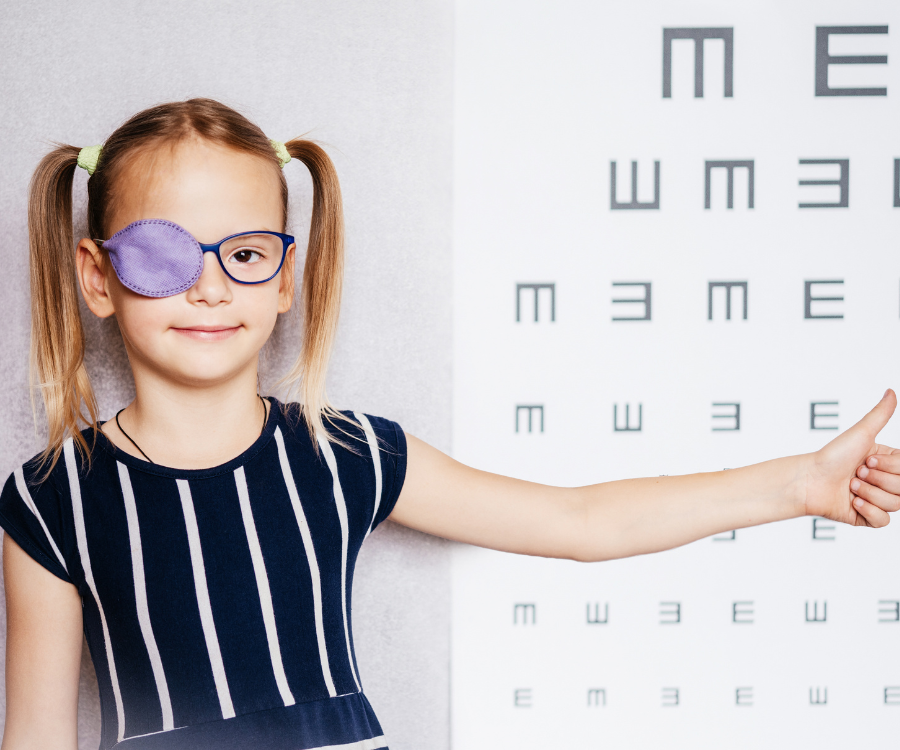
Imagine sitting in a classroom, looking at the board, and seeing nothing but a blur. For millions of children, this isn’t a hypothetical scenario—it’s their daily reality.

As kids head back to school or settle into their terms, backpacks are packed and tech devices are charged. But there is one critical tool for learning that often gets overlooked: their vision.

School eye screenings have been a staple of the education system for decades. However, in today’s high-tech, fast-paced world, these quick check-ups matter more than ever before. Here is a look at why we cannot afford to skip school vision screenings, and why they are the first line of defense in protecting our children’s future.


The Hidden Barrier to Learning

It is estimated that roughly 80% of what a child learns in school is visual. From reading the whiteboard to tracking text in a book or navigating a tablet, a child’s eyes are their primary gateway to knowledge.

When a child struggles to see, they don’t just struggle to read; they struggle to learn.

The real danger? Children rarely complain about vision problems. Because they have nothing to compare it to, a child who sees poorly assumes that everyone sees the world that way. Instead of asking for help, they might:

  • Lose interest in reading
  • Act out in class due to frustration
  • Be misdiagnosed with learning disabilities or ADHD

A simple school eye screening can catch these issues before a child falls behind academically or socially.


The Digital Dilemma: The Rise of Screen Time

Why do screenings matter more than ever right now? Look around. Today’s children are growing up in front of screens. Between virtual assignments, educational apps, and recreational gaming, kids are logging unprecedented hours of close-up digital eye strain.

This massive shift in lifestyle has contributed to a global surge in myopia (nearsightedness).

Optometrists and pediatricians are seeing a dramatic rise in kids who can see things up close but struggle with distance vision. School screenings act as a vital safety net, catching the early onset of nearsightedness fueled by our digital age.


Screenings vs. Comprehensive Eye Exams: What’s the Difference?

It is important to understand what a school eye screening is—and what it isn’t.

FeatureSchool Eye ScreeningComprehensive Eye Exam
Who Performs It?School nurses, trained volunteers, or teachers.A licensed Optometrist or Ophthalmologist.
The GoalTo identify children at risk for vision problems (a “pass/fail” test).To thoroughly evaluate eye health and prescribe corrective lenses.
What It DetectsMajor issues like severe nearsightedness or lazy eye.Muscle tracking issues, astigmatism, eye diseases, and subtle refractive errors.
Time RequiredA few minutes.30 to 60 minutes.

Think of a school screening as a warning light on your car’s dashboard. It won’t fix the engine, but it tells you exactly when it’s time to take the car to a mechanic.


Beyond Blurry Vision: Catching “Silent” Conditions

School screenings do not just look for kids who need glasses. They are crucial for spotting conditions that can cause permanent damage if left untreated, such as:

  • Amblyopia (Lazy Eye): This occurs when the brain favors one eye over the other. If caught early (usually before the age of 7 or 8), it can often be corrected. If missed, it can lead to permanent vision loss in the weaker eye.
  • Strabismus (Crossed Eyes): Misaligned eyes can affect depth perception and lead to amblyopia.
  • Color Blindness: While it cannot be cured, knowing a child has color blindness allows teachers to adapt lesson plans so the child doesn’t get confused by color-coded information.

What Parents and Educators Need to Do Next

School eye screenings are a brilliant, accessible community resource, but they only work if we take action on the results.

  1. Don’t Ignore the Referral: If your child receives a note from the school nurse suggesting a follow-up, book an appointment with an eye doctor immediately.
  2. Watch for the Warning Signs: Even if a child passes a school screening, keep an eye out for squinting, frequent headaches, tilting the head to one side, or sitting too close to the television.
  3. Advocate for Screenings: Ensure your local school district has the funding and volunteer support required to conduct these screenings annually.

Conclusion

Healthy vision is not a luxury; it is a fundamental requirement for a child’s success and well-being. School eye screenings are a fast, cost-effective, and powerful way to ensure that no child is left in the dark.

By supporting these programs and following through on their findings, we can give our kids the clearest possible view of a bright future.

Categories Uncategorized

Can High Blood Pressure Affect Your Eyes? What You Need to Know

When we talk about high blood pressure (hypertension), we usually focus on the heart and the risk of stroke. But there is another vital organ that often bears the brunt of “the silent killer” without much warning: your eyes.

The eyes are the only place in the body where a doctor can see your blood vessels in action without surgery. Because these vessels are so small and delicate, they are often the first to show signs of damage when your blood pressure spikes.


How Hypertension Impacts Vision

High blood pressure damages the lining of your blood vessels, causing them to narrow, leak, or harden over time. In the eyes, this can lead to several serious conditions:

  • Hypertensive Retinopathy: This occurs when the high pressure damages the retina—the layer at the back of the eye that captures images. This can lead to blurred vision or even total vision loss if left untreated.
  • Choroidopathy: This is a buildup of fluid under the retina. It can result in distorted vision or scarring that permanently impairs how you see detail.
  • Optic Neuropathy: Also known as an “eye stroke,” this happens when blood flow to the optic nerve is blocked. It can kill nerve cells and cause sudden, permanent vision loss.

The Warning Signs

The scariest part about hypertension is that you might not feel it. Most people with eye damage from high blood pressure don’t realize it until a routine eye exam. However, you should see a specialist immediately if you experience:

  1. Sudden bursts of blurred vision.
  2. Frequent headaches accompanied by eye pain.
  3. Double vision.
  4. A sudden loss of vision in one eye.

Why Your Eye Doctor is Your Early Warning System

During a comprehensive eye exam, an optometrist or ophthalmologist uses a process called fundoscopy. They look at the back of your eye to check for:

  • Narrowing of the arterioles.
  • Small hemorrhages (bleeding) in the retina.
  • Swelling of the optic nerve.

In many cases, an eye doctor is the first person to tell a patient they might have high blood pressure, potentially saving them from a future heart attack or stroke.


How to Protect Your Sight

The good news? Most eye damage caused by high blood pressure can be managed or prevented if caught early.

  • Monitor Your Numbers: Keep your blood pressure within a healthy range (typically below 120/80 mmHg).
  • Eat for Your Eyes: Incorporate leafy greens, omega-3 fatty acids, and low-sodium meals to support vascular health.
  • Quit Smoking: Smoking accelerates the damage to blood vessels and compounds the risks of hypertension.
  • Annual Eye Exams: Even if your vision feels “fine,” an annual checkup is the best way to catch silent changes before they become permanent.

The Bottom Line: Your eyes are a window into your overall health. By managing your blood pressure today, you aren’t just protecting your heart—you’re ensuring you can see the world clearly for years to come.


Disclaimer: This content is for informational purposes only and does not substitute for professional medical advice. Always consult with a healthcare provider for diagnosis and treatment.

Categories Uncategorized

Latest Trends in Eyewear for 2026

hether you’re looking for a total image overhaul or just a subtle refresh, 2026 is officially the year where “boring” eyewear goes to die. We are seeing a fascinating split in the industry: one side is leaning into high-tech, bold futurism, while the other is perfecting the art of “quiet luxury.”

If you’re ready to trade in your old frames for something current, here are the top eyewear trends for 2026 that you’ll be seeing everywhere from the office to the airport.


1. The “Bayonetta” Evolution (Slim & Elongated)

If 2025 was about the return of the 90s, 2026 is about refining it. The “Bayonetta” look—named after the sleek, narrow glasses worn by the iconic video game character—is the “it” silhouette of the year.

  • The Look: Narrow, rectangular, or slightly winged cat-eye frames.
  • Why it works: It adds a sharp, intellectual edge to your face without the bulk of oversized frames.

2. Geometric Architecturals

Standard rounds and squares are taking a backseat to more “structured” shapes. We’re talking hexagons, octagons, and frames with sharp, beveled edges.

  • The Trend: Frames that look like they were designed by an architect.
  • Best For: Adding definition to rounder face shapes. These are statement pieces that scream “creative professional.”

3. “Quiet Luxury” Neutrals

The “New Neutrals” are officially replacing stark black frames. In 2026, the palette is all about calm, earthy tones that brighten the complexion rather than contrasting it.

  • Key Colors:
    • Soft Sage & Dusty Rose: Gentle pops of color that act as neutrals.
    • Warm Sand & Champagne: Perfect for a “barely there” sophisticated look.
    • Transformative Teal: Voted a standout color for the year, offering a grounded yet modern vibe.

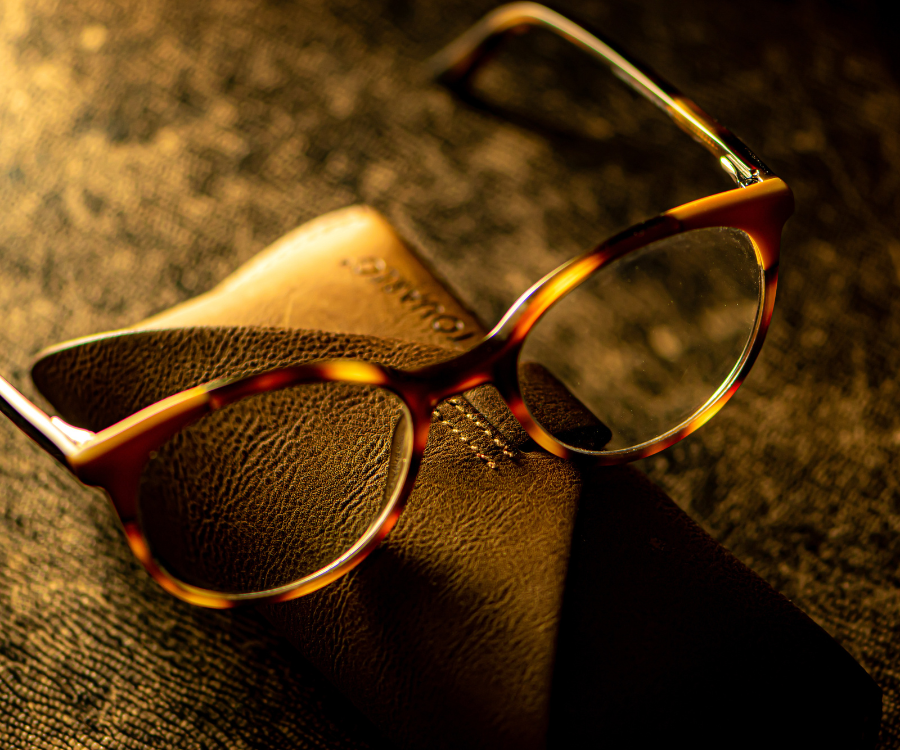
4. Electric Tortoiseshell

Tortoiseshell is a timeless classic, but the 2026 version has a literal twist. Instead of the traditional brown and amber, we are seeing “Electric Tortoise.”

  • What’s New: Traditional patterns infused with flecks of emerald green, cobalt blue, or even vibrant pink.
  • The Vibe: It’s a playful way to wear a classic pattern while still looking fashion-forward.

5. Performance AI & Smart Eyewear

We’ve moved past the “clunky tech” phase. Smart glasses in 2026 actually look like… well, glasses.

  • The Tech: Many top brands (like the Ray-Ban Meta collaboration) are now offering frames that integrate AI assistants, cameras, and audio while maintaining a slim, stylish profile.
  • The Feature: Look for “Performance AI” lenses that adjust to digital eye strain in real-time.

6. Sustainable Bio-Acetates

Eco-conscious is no longer a niche category; it’s the standard. Consumers are demanding—and brands are delivering—frames made from bio-acetates (plant-based materials) and recycled surgical steel.

  • The Benefit: These frames are often lighter, more flexible, and hypoallergenic, making them as comfortable as they are ethical.

Which Trend Is Right For You?

Choosing a pair of glasses is deeply personal. While trends provide the inspiration, the best pair is always the one that balances your face shape and fits your lifestyle.

Quick Tip: If you have a round face, lean into the Geometric trend. If you have an angular or square face, try the Refined Oversized or Soft Neutral rounds to balance your features.

Ready to Upgrade?

Don’t wait for your current pair to break. 2026 is the year to treat your eyewear as your most important accessory. After all, it’s the first thing people see when they look at you!

1 2 3 6