
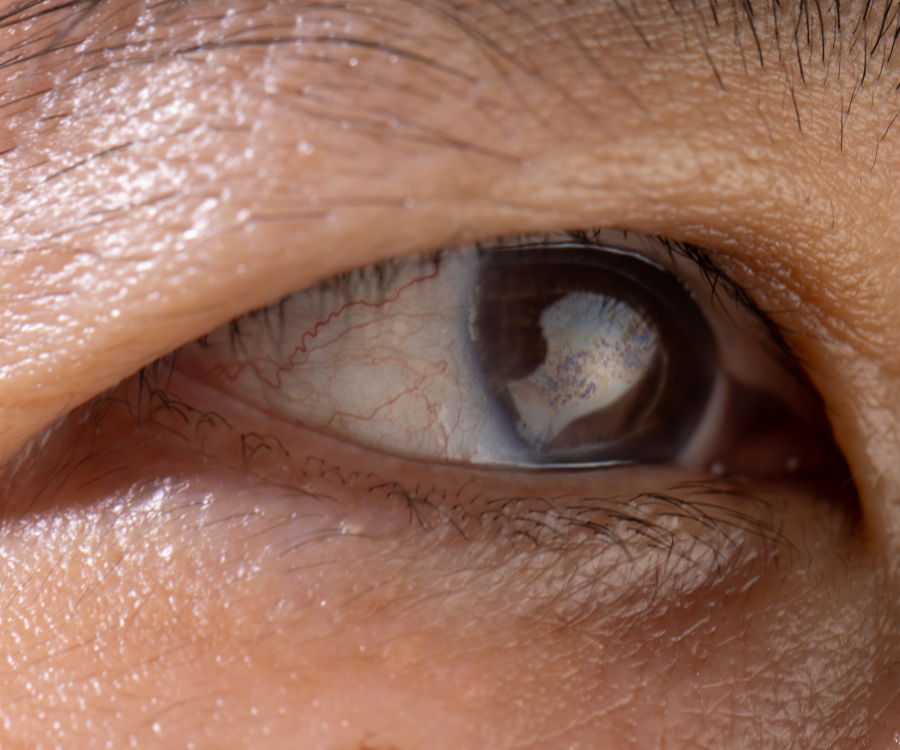
When it comes to eye health, especially a common condition like cataracts, it seems everyone has an opinion. This clouding of the eye’s natural lens is a leading cause of vision impairment worldwide, but unfortunately, it’s surrounded by outdated advice and outright myths.
The truth is, clinging to these misconceptions can lead to unnecessary fear, delayed treatment, and potentially worse vision outcomes. It’s time to separate the facts from the fiction!
Here are the biggest cataract myths you should stop believing today.
Myth 1: Cataracts Only Affect the Elderly
❌ The Myth: “Cataracts are just a natural part of old age, so young people don’t need to worry.”
✅ The Reality (Keyword: Cataracts at Any Age): While age-related cataracts are the most common type, people of all ages can develop them.
- Congenital Cataracts are present at birth.
- Secondary Cataracts can result from medical conditions like diabetes, eye trauma, or long-term use of certain medications (like steroids).
Protecting your eyes from UV light is a crucial step for everyone, not just seniors!
Myth 2: You Must Wait for a Cataract to be “Ripe” Before Surgery
❌ The Myth: “My doctor says I have a cataract, but I have to wait until my vision is almost gone before they can operate.”
✅ The Reality (Keyword: Modern Cataract Surgery Timing): This is one of the most outdated and potentially harmful myths! Decades ago, surgical techniques required the cataract to be very dense (or “ripe”).
Today’s modern cataract surgery is performed when the cataract begins to interfere with your daily life—like making it difficult to drive, read, or enjoy hobbies. Waiting too long can actually make the lens harder and the procedure more complex. The best time for surgery is when you decide your vision loss is impacting your quality of life.
Myth 3: Cataract Surgery is Painful and Recovery is Long
❌ The Myth: “Eye surgery sounds terrifying and painful, and I’ll be recovering for months.”
✅ The Reality (Keyword: Painless Cataract Surgery): Modern cataract surgery is one of the safest and most frequently performed procedures in the world.
- The Procedure: It is typically done on an outpatient basis and takes only about 15–20 minutes. You are kept comfortable with numbing eye drops (local anesthesia), and most patients report feeling little to no pain—perhaps just a slight pressure sensation.
- Recovery: Most people notice a significant improvement in vision within a day or two and can return to normal, non-strenuous activities within a week. Full healing takes a bit longer, but the initial, dramatic improvement is fast.
Myth 4: Cataracts Can Be Reversed or Dissolved with Eye Drops or Diet
❌ The Myth: “I saw an ad for special drops or a supplement that can cure cataracts naturally.”
✅ The Reality (Keyword: Only Cure is Surgery): Currently, surgery is the only definitive and proven way to remove a cataract and restore clear vision.
- Eye Drops & Supplements: While a healthy diet rich in antioxidants (like Vitamin C, E, Lutein, and Zeaxanthin) can support overall eye health and may help slow the development of cataracts, they cannot dissolve or cure an existing one. Beware of unproven natural remedies!
Myth 5: A Cataract Can “Grow Back” After Surgery
❌ The Myth: “I had cataract surgery a few years ago, and now I have to get another one.”
✅ The Reality (Keyword: Posterior Capsule Opacification): The cataract itself cannot return because your eye’s natural, cloudy lens is completely removed and replaced with a permanent, artificial Intraocular Lens (IOL).
However, what can happen is a common and minor complication called Posterior Capsule Opacification (PCO), sometimes nicknamed a “secondary cataract.” This is when the thin membrane behind the new lens becomes cloudy. It’s easily treated with a quick, in-office laser procedure (YAG laser capsulotomy) that permanently clears the capsule and restores sharp vision.
Don’t Let Myths Cloud Your Judgment!
Cataracts are a normal part of life, but they don’t have to steal your vision. If you or a loved one are experiencing blurry vision, difficulty driving at night, or faded colors, the best step you can take is to schedule a comprehensive eye exam. Getting the facts from an eye care professional is the clearest path to restoring your sight.