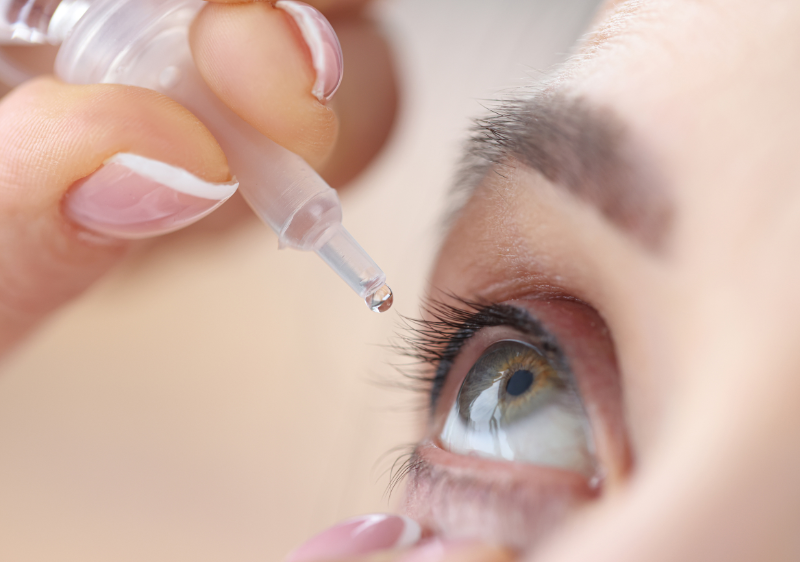
In 2026, the landscape of Dry Eye Disease (DED) has shifted from simply “managing discomfort” to “precision medicine.” If you’ve been relying solely on basic eye drops, you might be missing out on a new era of relief.
Advances in diagnostic technology and specialized treatments mean that doctors can now identify the exact type of dry eye you have—whether your eyes aren’t producing enough water or your tears are evaporating too quickly—and treat the root cause.
1. Beyond the Basics: New Diagnostic Tools
Standard tests like the Schirmer’s strip (the paper in the eye) are still used, but they are no longer the gold standard. New “all-in-one” imaging and molecular testing have changed the game.
Meibography and Gland Imaging
Tools like the iLux²® and LipiScan allow doctors to see a “map” of your Meibomian glands. These glands produce the essential oil layer of your tears.
- Why it matters: It identifies Meibomian Gland Dysfunction (MGD)—the leading cause of dry eye—before permanent gland loss occurs.
Tear Osmolarity and Inflammatory Markers
- TearLab: This “lab on a chip” measures the saltiness (osmolarity) of your tears. High salt levels indicate a breakdown in tear quality.
- InflammaDry: This test detects high levels of MMP-9, an inflammatory protein. If your DED is driven by inflammation, this tool tells your doctor exactly which anti-inflammatory protocol to start.
2. Advanced Treatment Protocols for 2026
We are moving away from “artificial tears” toward “bio-identical” and “nerve-stimulating” therapies.
The Rise of Evaporative Specialists
Traditional drops focus on adding water. New FDA-approved drops like Miebo™ (perfluorohexyloctane) specifically target the lipid layer. These drops don’t contain water or preservatives; instead, they create a seal over your tears to stop evaporation.
Neuromodulation: Training the Eye to Heal
One of the most exciting shifts is neuromodulation. Rather than just adding moisture, these treatments tell your body to produce its own:
- Varenicline (Tyrvaya) Nasal Spray: A simple spray that stimulates the trigeminal nerve to trigger natural tear production.
- Neurostimulation Devices: Small handheld devices that use gentle electrical currents inside the nose to “jumpstart” the lacrimal glands.
In-Office Thermal Procedures
For those with clogged glands, “at-home” warm compresses often aren’t enough.
- LipiFlow & iLux: These provide precise thermal pulsation to melt blockages and express old oils.
- IPL (Intense Pulsed Light): Originally used in dermatology, IPL is now a frontline DED treatment. It reduces inflammation and kills the tiny Demodex mites that contribute to eyelid irritation.
4. Key Takeaways for Patients
- No “One Size Fits All”: If a treatment didn’t work for you in the past, it’s likely because it wasn’t targeting your specific subtype of DED.
- Don’t Wait: Chronic dry eye can lead to corneal scarring. Early diagnosis via Meibography is essential.
- Ask Your Doctor: Inquire about MMP-9 testing or IPL if you feel like drops are no longer doing the job.
Note: Always consult with an eye care professional (Optometrist or Ophthalmologist) before starting new treatments, as DED can often mimic other conditions like ocular allergies.