
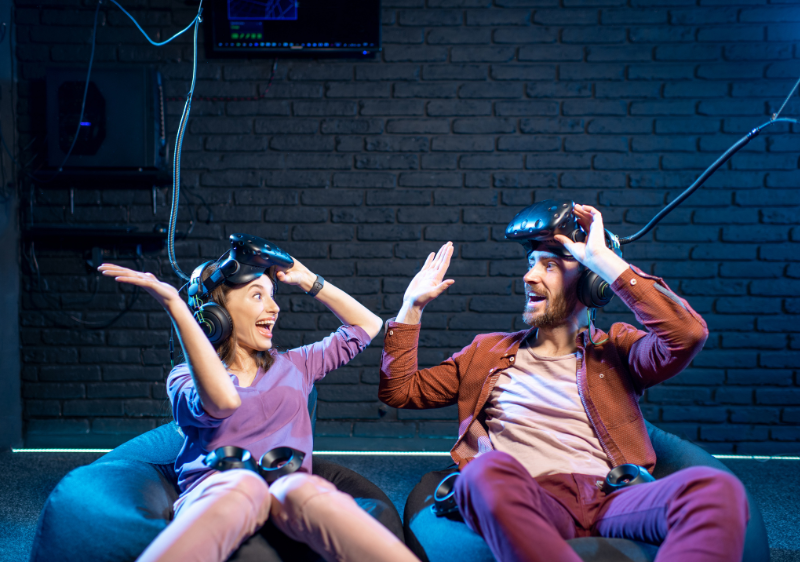
Whether you are chasing a high rank in Valorant or exploring the vast landscapes of Elden Ring, your eyes are your most important piece of gear. But unlike a GPU, you can’t simply swap your eyes out when they start to fail.
Extended gaming sessions can lead to more than just a headache; they can impact your long-term vision. In this guide, we’ll break down the real risks of gaming on your eyesight and, more importantly, how to prevent them without giving up your favorite hobby.
The Invisible Enemies: Common Risks of Gaming
While “square eyes” is a myth, the physical strain on your ocular muscles is very real. Here is what happens behind the scenes when you’re locked into a marathon session:
1. Digital Eye Strain (Computer Vision Syndrome)
This is the most common issue for gamers. Symptoms include blurred vision, burning sensations, and difficulty focusing on distant objects after you turn off the console. It happens because your eyes are constantly micro-adjusting to track fast-moving graphics.
2. The “Blink Gap” and Dry Eye
Normally, humans blink about 15–20 times per minute. When gaming, that rate can drop by 50% to 60%. This “blink gap” prevents tears from lubricating your eyes, leading to that gritty, “sand-in-the-eyes” feeling and chronic redness.
3. Blue Light and Circadian Disruption
Modern screens emit high-energy visible (HEV) blue light. While it keeps the image sharp, it also suppresses melatonin. If you’re gaming late at night, this trickery tells your brain it’s daytime, leading to poor sleep quality and fatigued eyes the next morning.
4. Convergence Insufficiency
Staring at a fixed distance for 6+ hours “locks” your eye muscles. Over time, this can make it harder for your eyes to work together (converge), which can lead to double vision or losing your place while reading.
How to Protect Your Vision: The Gamer’s Prevention Toolkit
You don’t have to quit gaming to save your sight. You just need a better “loadout” for your eye health.
1. Master the 20-20-20 Rule
This is the gold standard of eye care. Every 20 minutes, look at something 20 feet away for at least 20 seconds. This allows the ciliary muscles in your eyes to relax from their “near-focus” state.
2. Optimize Your Setup (Ergonomics)
- The Arm’s Length Rule: Your monitor should be about 20 to 30 inches away from your face.
- Angle of Attack: Position the screen so your eyes are looking slightly downward (about 15 degrees). This exposes less of your eyeball to the air, reducing evaporation and dryness.
- Lighting: Never game in a pitch-black room. The high contrast between a bright screen and a dark room causes massive strain. Use “bias lighting” (LED strips) behind your monitor to balance the glow.
3. Use In-Game Settings and Gear
- Night Mode/Blue Light Filters: Most monitors and consoles (PS5/Xbox/Windows) now have a “Warm” or “Night Light” setting. Use it, especially after 8:00 PM.
- Anti-Glare: If you have a window behind you, use blackout curtains or a matte screen protector to eliminate reflections that force your eyes to work harder.
- Gaming Glasses: While not a “cure,” high-quality blue-light-blocking glasses can reduce glare and improve contrast for some users.
4. Stay Hydrated and “Blink Conscious”
Keep a bottle of water at your desk. Dehydration leads to less tear production. Additionally, try to make it a habit to blink every time a loading screen appears or during a match reset.
The Silver Lining: Can Gaming Help?
Interestingly, some studies suggest that “Action Video Games” can actually improve contrast sensitivity—the ability to distinguish between different shades of gray. This is a vital skill for night driving. The key is moderation. Gaming is an exercise for the brain and eyes; like any exercise, overtraining leads to injury.