• Mon - Fri 8.00 - 17.30 & Sat 9.00-14.00

Category Archives: Uncategorized

Categories Uncategorized

How to properly clean and care for your lenses

Clear Vision Starts Here: The Ultimate Guide to Cleaning and Caring for Your Lenses

Your camera lenses are the eyes of your photography, and keeping them spotless is non-negotiable for capturing crisp, high-quality images. Dust, fingerprints, and smudges can easily degrade your picture quality. But cleaning your valuable optics requires more than just a quick wipe.

To ensure your lenses perform flawlessly for years, you need a safe, systematic approach to lens maintenance and cleaning. This comprehensive, keyword-optimized guide will walk you through the essential steps and best practices for proper lens care.


Why Proper Lens Cleaning Matters (And Why You Should Never Use Your T-Shirt!)

We’ve all been there: a visible smudge appears, and the fastest solution seems to be a quick breath and a swipe of your shirt. Stop!

Your lenses are coated with delicate anti-reflective layers designed to maximize light transmission and reduce flares. Using improper materials like shirt fabric, paper towels, or strong chemicals can permanently scratch these coatings or the glass itself. Correct lens cleaning and lens protection preserve both your image quality and the resale value of your gear.


Your Essential Lens Cleaning Kit

Before you start, gather the right tools. Investing in a dedicated lens cleaning kit is the first step in responsible camera ownership.

Step-by-Step Guide to Safely Cleaning Your Lens

Follow this simple, three-stage process to ensure a scratch-free, clear result every time.

Phase 1: Removing Loose Debris (Crucial First Step)

This is the most critical stage. NEVER rub or wipe a dry lens before completing this step. Any particle on the surface can be ground into the glass.

  1. Use the Air Blower: Hold your lens facing slightly downward. Using your air blower (a squeeze-bulb type, not compressed air from a can—which can push moisture or propellant into your lens), gently but firmly blast the front and rear elements. The downward angle helps gravity pull the dust away.
  2. Use the Lens Brush: If dust remains, gently use the soft lens brush to sweep the particles away. Apply virtually no pressure. The goal is to lightly flick the debris off the surface.

Phase 2: Tackling Fingerprints and Smudges

If your lens is now dust-free but still has oily marks like fingerprints, it’s time for a wet clean.

  1. Apply Solution to Cloth: Dampen a clean microfiber cloth or dedicated lens cleaning tissue with a few drops of your lens cleaning fluid. Crucially, never spray the solution directly onto the glass. This prevents liquid from seeping into the lens barrel’s edges, which can cause internal damage.
  2. Wipe Gently: Start at the center of the lens and wipe in a gentle, circular motion, working your way outward to the rim. Use light pressure.
  3. Use a Dry Spot: Use a fresh, dry section of the microfiber cloth to buff the surface until it’s streak-free.

Phase 3: Inspect and Protect

Hold the lens up to a bright light and inspect it closely for any remaining streaks or particles. Repeat the process if necessary. Once clean, immediately place the lens caps (front and rear) back on to protect the glass from new dust and accidental bumps.


Long-Term Lens Care and Protection Tips

Cleaning is only part of the battle. Proper lens care also involves how you handle and store your gear.

  • Filter Up: Consider using a high-quality UV filter or clear protective filter on the front of your lens. It acts as a sacrificial layer against scratches, dust, and moisture. Cleaning a $50 filter is much better than cleaning a $1000 lens element.
  • Use Lens Hoods: A lens hood not only blocks flare but also provides a physical bumper, protecting the front element from accidental bumps and splashes.
  • Store Properly: Always store your camera lenses in a dedicated, padded camera bag when not in use. Use desiccant packs (like silica gel) in your bag if you live in a humid environment to prevent lens fungus and moisture damage.
  • Change Lenses in a Clean Space: When swapping lenses, do it in a sheltered, low-dust environment, ideally with the camera body facing slightly downward to minimize the chance of dust entering the camera sensor or the rear element of the lens.
  • Don’t Over-Clean: Only clean your lens when a visible smudge or speck is actually affecting your image. Excessive cleaning, even with the right tools, increases the risk of damage over time.
Categories Uncategorized

How Sleep (or Lack of It) Affects Your Eyes

We all know that a good night’s rest is essential for mental clarity, energy, and overall wellness. But have you ever considered the vital role sleep plays in the health and function of your eyes?

Turns out, those recommended 7 to 9 hours of quality sleep aren’t just about recharging your brain; they’re a critical maintenance period for your vision. When you consistently skimp on your Zzz’s, your eye health pays a real price, sometimes leading to more than just dark circles.

Here’s a look at how lack of sleep affects your eyes, from minor irritations to more serious long-term consequences.

The Immediate, Visible Effects of Sleep Deprivation

When you pull an all-nighter or consistently get less than the optimal amount of restful sleep, your eyes show the strain almost immediately:

1. Dry, Red, and Irritated Eyes

During deep sleep, your eyes get a chance to rehydrate. Tear production is essential for cleansing your eyes, removing irritants, and keeping the delicate surface moist. When you’re sleep-deprived, this natural lubrication process is cut short.

The result? Dry eyes that feel scratchy, itchy, and look noticeably red or bloodshot. This discomfort can significantly increase eye strain throughout the day, especially when you’re looking at screens.

2. Blurred Vision and Difficulty Focusing

Your visual system needs rest to function optimally. A tired brain and fatigued eye muscles can struggle to coordinate properly, leading to noticeable visual issues. You may experience temporary blurred vision, difficulty focusing on reading material, or even a feeling of double vision. This is your vision system signaling that it’s overworked and desperately needs a break.

3. The Unwanted Eye Twitch

Known medically as myokymia, that annoying, involuntary eyelid twitching or spasm is a common sign of fatigue, stress, or excess caffeine. While generally harmless, it’s a clear indicator that your eye muscles are overworked and craving deep rest.

4. Dark Circles and Puffy Bags

The most cosmetic but undeniable sign of a poor night’s sleep is the classic dark circles and puffiness under the eyes. Lack of sleep can cause blood vessels to dilate, making dark circles more prominent. It also contributes to fluid retention, resulting in that noticeable under-eye swelling or “bags.”

The Long-Term Vision Consequences

While the immediate symptoms are frustrating, chronic sleep deprivation has been linked to more serious long-term risks for your vision care:

  • Increased Risk of Glaucoma: Studies suggest that chronic poor sleep, especially in those with sleep disorders like sleep apnea, can be a major risk factor for developing glaucoma. This serious condition involves pressure buildup inside the eye, which damages the optic nerve and can lead to irreversible vision loss.
  • Worsened Eye Infections: Sleep is vital for a strong immune system. When you’re constantly tired, your body’s ability to fight off bacteria and viruses is compromised, making your eyes more vulnerable to infections like conjunctivitis (pink eye).
  • Corneal Issues: The cornea (the clear front surface of your eye) relies on rest and lubrication for health. Chronic dry eyes from poor sleep can potentially lead to inflammation and damage to this vital structure.

Practical Tips for Healthy Eyes and Better Sleep

The good news is that prioritizing sleep hygiene is one of the easiest ways to safeguard your eyes and improve your vision. Try incorporating these habits:

  1. Stick to a Schedule: Go to bed and wake up at the same time every day, even on weekends, to regulate your body’s natural clock.
  2. Dim the Blue Light: Turn off all screens (phones, tablets, TV) at least one hour before bedtime. The blue light suppresses melatonin, the sleep hormone, and strains your eyes right when they should be relaxing.
  3. Optimize Your Bedroom: Keep your sleeping environment dark, cool, and quiet. Consider using blackout curtains or a comfortable eye mask.
  4. Practice the 20-20-20 Rule: If you work on a computer all day, follow the 20-20-20 rule to reduce eye strain: Every 20 minutes, look at something 20 feet away for at least 20 seconds.
  5. Stay Hydrated: Drink plenty of water throughout the day to support tear production and prevent dehydration, which exacerbates dry eyes.

Your eyes work tirelessly for you every day, constantly gathering and processing visual information. Give them the break they deserve. By prioritizing a consistent, restful sleep routine, you are taking a simple, powerful step to protect your eye health for years to come.

Categories Uncategorized

What causes double vision and how to treat it

Seeing Double? A Guide to Double Vision (Diplopia)

Have you ever looked at something and seen two of it? That disorienting experience is known as double vision, or diplopia. While it can sometimes be a temporary and harmless symptom of fatigue or a long day staring at a computer screen, persistent double vision can indicate a more serious underlying health issue. Understanding the causes and treatments is the first step toward finding relief.

What Is Double Vision and Why Does It Happen?

Normally, our two eyes work together in perfect harmony. They capture slightly different images, which the brain then seamlessly combines into a single, three-dimensional picture. Double vision occurs when this process is disrupted, causing the brain to perceive two distinct images instead of one. The way you see double can provide important clues about the cause:

  • Monocular Diplopia: You see two images even when you cover one eye. This type is almost always caused by an issue within the eye itself.
  • Binocular Diplopia: The double vision goes away when you cover either eye. This indicates a problem with how the eyes are aligned or communicating with each other.

Causes of Double Vision

The causes of double vision can range from simple to complex, involving the eyes, nerves, muscles, and even the brain.

Monocular Diplopia: The Eye is the Culprit

Causes related to a single eye often involve a physical irregularity that distorts the light entering the eye.

  • Cornea Problems: The cornea is the clear front surface of the eye. Conditions like astigmatism (an irregularly shaped cornea) or keratoconus (a cone-shaped cornea) can cause light to bend incorrectly, leading to double vision. Dry eyes can also create an uneven surface, causing a “ghost” image.
  • Lens Problems: The most common cause in this category is cataracts, a clouding of the eye’s lens that scatters light and can produce double images.
  • Retinal Issues: Less common, but problems with the retina, such as an epiretinal membrane, can also lead to monocular diplopia.

Binocular Diplopia: A Misalignment Issue

When both eyes are involved, the problem is often related to the intricate system of muscles and nerves that control eye movement.

  • Eye Muscle Problems: The six muscles around each eye must work together precisely. Conditions like strabismus (misaligned eyes) or Graves’ disease (a thyroid condition) can weaken or paralyze these muscles, preventing the eyes from moving in sync.
  • Nerve Problems: The nerves connecting the brain to the eye muscles are crucial. Damage to these nerves from conditions like diabetes, Multiple Sclerosis, or Guillain-Barré syndrome can disrupt the communication and cause double vision.
  • Brain Issues: The brain is the final processor of visual information. Serious conditions affecting the brain, such as a stroke, brain aneurysm, tumor, or head trauma, can interfere with this processing and result in sudden, severe double vision.

When to See a Doctor

While temporary double vision from fatigue is usually not a concern, it is vital to seek professional medical help if the symptoms are persistent, sudden, or accompanied by other signs. Always see a doctor immediately if your double vision starts suddenly and is accompanied by a severe headache, dizziness, slurred speech, drooping eyelid, or muscle weakness. These can be red flags for a medical emergency.

Treatment Options for Double Vision

Treatment for double vision depends entirely on the underlying cause. Your eye doctor will perform a thorough examination to determine the root of the problem.

  • Corrective Lenses: For issues like astigmatism, a simple prescription for glasses or contact lenses can solve the problem. In cases of binocular diplopia, special prism lenses can be added to glasses to bend the light and realign the images, helping the eyes fuse them into one.
  • Eye Patches: A temporary and simple solution, wearing an eye patch over one eye can block the second image, providing immediate relief from the double vision. This is often used while other treatments are being explored.
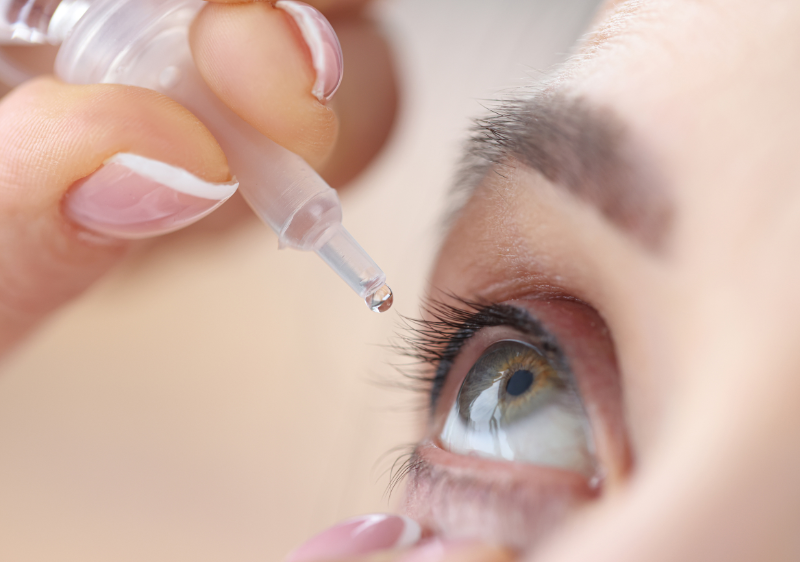
  • Medication and Eye Drops: For conditions like dry eyes, lubricating eye drops can restore the smooth surface of the cornea. For systemic diseases like Myasthenia Gravis or Graves’ disease, treating the underlying condition with medication is key.
  • Therapy and Exercises: Eye exercises can help strengthen and coordinate eye muscles, especially in cases of muscle weakness.
  • Surgery: Surgical intervention may be necessary for conditions like cataracts or severe strabismus. Cataract surgery removes the clouded lens, while eye muscle surgery can correct the alignment of the eyes.
  • Addressing Underlying Conditions: If the double vision is a symptom of a more serious neurological condition, treatment will focus on addressing that illness with the help of a neurologist or other specialists.

Double vision can be a frightening symptom, but with a proper diagnosis, most cases are treatable. Don’t hesitate to contact your eye care professional if you notice a change in your vision.

Categories Uncategorized

Pros and Cons of Daily vs Monthly Contact Lenses

Daily vs. Monthly Contact Lenses: Which is Right for You?

Choosing the right contact lenses can feel overwhelming. With so many options available, from daily disposables to monthly wear, how do you know which is the best fit for your lifestyle, eye health, and budget?

This blog post breaks down the pros and cons of daily vs. monthly contact lenses to help you make an informed decision.

Understanding the Basics

  • Daily Disposable Lenses: These are designed for a single day of wear. You put in a fresh pair each morning and throw them away at the end of the day.
  • Monthly Lenses: These are designed to be worn for up to 30 days. You clean and store them nightly in a special solution and replace them with a new pair after a month.

Pros and Cons of Daily Disposable Contact Lenses

Pros:

  • Ultimate Convenience & Hygiene: Dailies are the most convenient option. No need to worry about cleaning solutions, lens cases, or a nightly routine. This “fresh pair every day” approach significantly reduces the risk of eye infections and irritation caused by buildup on the lens surface.
  • Ideal for Allergies: If you suffer from seasonal allergies, daily lenses are a game-changer. Pollen and other allergens can stick to the surface of reusable lenses, causing discomfort. With dailies, you get a fresh, clean lens every single morning.
  • Perfect for Part-Time Wear: Do you only wear contacts for sports, special occasions, or weekends? Dailies are an excellent choice. You only open a new blister pack when you need it, which can be more cost-effective than a full box of monthly lenses.
  • No Solution, No Problem: Traveling is easier without having to pack bulky bottles of contact lens solution.

Cons:

  • Higher Cost: Daily disposable lenses are generally more expensive than monthly lenses on a per-lens basis. Over the course of a year, this can add up significantly.
  • Environmental Impact: The single-use nature of dailies generates more waste (blister packs and lenses). While some brands offer recycling programs, it’s a valid concern for the environmentally conscious consumer.
  • Running Out: You might find yourself running low on your supply if you don’t order in advance, potentially leaving you without lenses.

Pros and Cons of Monthly Contact Lenses

Pros:

  • Budget-Friendly: If you wear contact lenses every day, monthly lenses are typically the most economical option. A single box lasts much longer, making them more affordable in the long run.
  • Less Waste: Since you’re using fewer lenses over the year, you’re also generating less plastic waste, making them a more eco-friendly choice.
  • Convenient for Routine Wearers: For someone who wears contacts daily, the nightly cleaning routine becomes a quick and easy habit.
  • Advanced Materials: Many monthly lenses are made from highly breathable silicone hydrogel materials, which allow more oxygen to reach the cornea, promoting eye health.

Cons:

  • Requires Consistent Cleaning: Proper care is non-negotiable. If you’re not diligent about cleaning, storing, and replacing your lenses, you increase your risk of eye infections, irritation, and discomfort.
  • Potential for Buildup: Over time, protein deposits, lipids, and other debris can build up on the lens surface, leading to reduced clarity and comfort, especially in the last week of the month.
  • Not Ideal for Part-Time Wear: If you only wear contacts a few days a week, a monthly lens might expire before you’ve used it enough to justify the cost.

So, Which Should You Choose?

The decision between daily vs. monthly contact lenses ultimately depends on your personal needs:

Choose Monthly Lenses if: You wear contacts every day, are looking for the most cost-effective option, and are committed to a consistent cleaning routine.Signs You’re Wearing the Wrong Prescription Glasses

Choose Daily Disposables if: You prioritize hygiene and convenience, have sensitive eyes or allergies, or only wear contacts occasionally.