• Mon - Fri 8.00 - 17.30 & Sat 9.00-14.00

Category Archives: Uncategorized

Categories Uncategorized

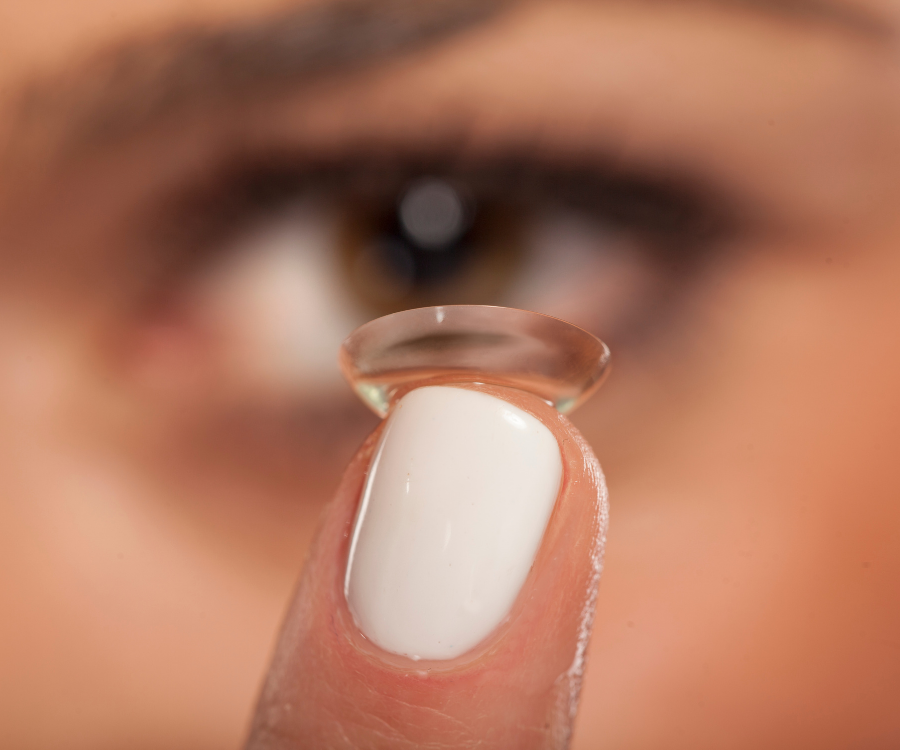
Contact Lenses: 10 Mistakes You Should Stop Making

Contact lenses offer freedom from frames, unobstructed peripheral vision, and everyday convenience. However, because they sit directly against delicate ocular tissue, improper use turns a medical device into a breeding ground for complications like corneal ulcers, chronic dry eye, and severe microbial infections.

1. Sleeping in Lenses Not Approved for Overnight Wear

Your cornea relies on atmospheric oxygen to stay healthy. Wearing contact lenses overnight starves the corneal surface of vital oxygen, causing corneal neovascularization (abnormal blood vessel growth) and increasing the risk of microbial keratitis up to eightfold. Unless your optometrist has prescribed extended-wear lenses, take them out before sleep.

2. Letting Water Touch Your Contacts

Showering, swimming, or rinsing lenses in tap water exposes your eyes to microscopic pathogens like Acanthamoeba—a waterborne amoeba that causes excruciating, vision-threatening infections.

  • Remove lenses before entering pools, hot tubs, or lakes.
  • Never store lenses in bottled, distilled, or tap water.
  • Keep eyes tightly shut if washing your face while lenses are in.

3. “Topping Off” Disinfecting Solution

Pouring fresh solution into old solution inside your lens case dilutes the active antimicrobial ingredients. This leaves residual bacteria, proteins, and lipids to incubate on your lenses overnight. Empty the case completely every morning, let it air dry upside down, and refill it with 100% fresh multipurpose or hydrogen-peroxide solution each night.

4. Keeping the Same Lens Case for Months

Contact lens cases develop invisible bacterial biofilms over time. Even if you scrub the plastic, bacteria embed themselves permanently. Replace your lens case every one to three months, or immediately whenever you open a new bottle of solution.

5. Stretching Replacement Schedules

Pushing a two-week disposable lens to four weeks or wearing monthly lenses for two months leads to protein buildup, reduced oxygen transmissibility, and micro-tears on the corneal epithelium. Adhere strictly to the manufacturer’s wear schedule, regardless of how comfortable the lenses still feel.

6. Skipping the “Rub and Rinse” Step

Even with “no-rub” multipurpose solutions, ophthalmological guidelines recommend gently rubbing your lenses with your fingertip for 5 to 10 seconds before rinsing. This physical action dislodges stubborn lipids, cosmetics, and environmental debris that chemical soaking alone cannot dissolve.

7. Touching Lenses with Wet or Dirty Hands

Transferring hand lotions, scented soaps, and residual moisture directly onto the lens causes stinging and transfers bacteria. Always wash your hands thoroughly with mild, fragrance-free soap, and dry them completely with a lint-free towel before handling lenses.

8. Wearing Contacts While Eyes Are Irritated

If your eyes feel gritty, red, or irritated, your eye is signaling distress. Inserting a contact lens traps irritants against the cornea and worsens inflammation. Remove the lenses immediately, switch to backup glasses, and consult an eye care professional if redness or pain persists beyond a few hours.

9. Applying Makeup Before Inserting Lenses

Powders, mascara flakes, and eyeliner pencils can easily smudge onto the lens surface if lenses are put in last. Follow this sequence:

  • Morning: Insert contacts before applying makeup.
  • Evening: Remove contacts before washing off makeup.

10. Skipping Routine Annual Eye Exams

Contact lens prescriptions require precise measurements of corneal curvature and tear film stability, not just visual acuity. Skipping annual checkups means missing early warning signs of hypoxia, asymptomatic infections, or improper lens fit before permanent corneal scarring occurs.

Common MistakeImmediate Eye RiskCorrect Practice
Tap water exposureAcanthamoeba keratitisMultipurpose or saline solution only
Topping off solutionIneffective disinfectionDiscard old solution daily
Over-wearing disposablesCorneal hypoxia, giant papillary conjunctivitisReplace on calendar schedule
Sleeping in lensesSevere bacterial keratitisRemove every night
Categories Uncategorized

Eye Test vs Vision Screening: What’s the Difference?

Eye Test vs. Vision Screening: What’s the Real Difference?

It is easy to assume that passing a school vision check or reading the line at the driver’s license bureau means your eyes have a clean bill of health. In reality, a quick eye screening and a comprehensive eye examination serve entirely different purposes.

Understanding the distinction between an eye test (comprehensive eye exam) and a vision screening is vital for protecting your long-term sight and overall ocular health.

What Is a Vision Screening?

A vision screening is a brief, preliminary check designed to identify potential, noticeable vision problems. It is not a diagnostic tool; rather, it acts as a filter to flag individuals who may need to see an eye care professional.

  • Who administers it: School nurses, pediatricians, primary care doctors, volunteers at health fairs, or licensing department officials.
  • What it tests: Basic distance visual acuity (often using a standard Snellen eye chart), gross eye alignment, and occasionally basic color perception.
  • The outcome: A simple result of “pass” or “refer.” A screening cannot diagnose why you are having trouble seeing or prescribe corrective lenses.
  • Limitations: Screenings frequently miss farsightedness (hyperopia), astigmatism, eye-teaming problems, focusing issues, and virtually all asymptomatic eye diseases.

What Is a Comprehensive Eye Test?

A comprehensive eye test is an in-depth medical evaluation of both your vision and the physiological health of your entire visual system.

  • Who administers it: A licensed optometrist or ophthalmologist.
  • What it tests:
    • Visual Acuity & Refraction: Pinpoints exact refractive errors (myopia, hyperopia, astigmatism, presbyopia) to generate an accurate optical prescription.
    • Binocular Vision & Alignment: Evaluates how well both eyes track, focus, coordinate, and perceive depth together.
    • Tonometry (Eye Pressure): Measures intraocular pressure to screen for glaucoma.
    • Retinal & Optic Nerve Assessment: Uses slit lamps, digital retinal photography, or dilation to inspect the retina, blood vessels, and optic nerve for conditions like macular degeneration, retinal detachment, or diabetic retinopathy.
    • Systemic Health Indicators: Detects early signs of broader health conditions, including diabetes, hypertension, high cholesterol, and autoimmune disorders.

Key Differences at a Glance

FeatureVision ScreeningComprehensive Eye Test
Primary GoalFlag potential distance vision issuesEvaluate total eye health and diagnose visual disorders
ProviderGeneral health worker, nurse, or trained volunteerLicensed optometrist or ophthalmologist
Scope of EvaluationBasic visual acuity (reading distant letters)Internal/external eye anatomy, eye pressure, binocular function
Prescription OutputNoneTailored prescription for glasses or contact lenses
Disease DetectionNoneDetects glaucoma, cataracts, macular degeneration, and systemic illness
Typical Duration2 to 5 minutes30 to 60 minutes

Why a “Pass” on a Screening Isn’t Always Enough

A common pitfall—especially in children—is assuming 20/20 distance vision equates to healthy eyes. A child can pass a school screening with 20/20 clarity while struggling with severe eye teaming or near-focus strain, leading to reading difficulties, headaches, and shortened attention spans in class.

Similarly, adult conditions such as glaucoma, diabetic eye changes, and early macular degeneration often develop silently without affecting distance clarity until permanent vision loss has occurred.

Categories Uncategorized

Why Blinking Less Could Be Damaging Your Eyes

Why Blinking Less Could Be Damaging Your Eyes (And How to Fix It)

Most people take blinking for granted. It happens automatically roughly 15 to 20 times per minute under normal conditions—amounting to over 14,000 involuntary wipes a day.

When staring at a computer monitor, smartphone, or television screen, that blink rate drops by up to 60%.

This phenomenon, often grouped under Digital Eye Strain or Computer Vision Syndrome, is more than just a minor inconvenience. Chronic under-blinking directly compromises the ocular surface and can trigger long-term vision and comfort issues.

What Actually Happens When You Blink

Blinking serves as the eye’s built-in maintenance system. Each full eyelid closure performs three critical functions:

  1. Spreads a Fresh Tear Film: Every blink coats the cornea with a microscopic three-layer shield consisting of mucin (to help tears adhere), aqueous water (to hydrate and deliver oxygen), and lipids (oils to prevent quick evaporation).
  2. Clears Debris: It washes away dust, allergens, and cellular waste into the tear ducts.
  3. Stimulates Oil Production: The mechanical squeeze of an eyelid activates the Meibomian glands along the eyelid margins, releasing the essential oils needed to seal the tear film.

When you stare intently at pixels, you do not just blink less often—you also perform more incomplete blinks, where the upper eyelid fails to touch the lower lid.

The Hidden Costs of Infrequent Blinking

ProblemPhysiological CauseCommon Symptoms
Evaporative Dry EyeLack of lipid renewal allows the aqueous tear layer to evaporate rapidly.Gritty sensation, burning, stinging, or redness.
Paradoxical Watery EyesDryness irritates corneal nerves, triggering an emergency flood of watery reflex tears that lack lubricating oils.Excessive tearing that fails to soothe dryness.
Meibomian Gland Dysfunction (MGD)Incomplete blinking leaves gland openings stagnant, causing oils to thicken and clog over time.Chronic irritation, crusty eyelid margins, inflammation.
Fluctuating Blurred VisionAn uneven, broken tear film distorts light before it even hits the cornea.Vision goes blurry while reading or working, clearing temporarily after a hard blink.

Practical Ways to Restore Healthy Blinking Habits

1. Master the 20-20-20 Rule

Every 20 minutes, look away from your screen at an object at least 20 feet away (around 6 meters) for 20 seconds. This relaxes the eye’s ciliary focusing muscle and naturally resets your baseline blink cadence.

2. Practice Deliberate Blink Breaks

If you work long hours on digital displays, perform intentional blink exercises twice a day:

  • Close your eyes normally for 2 seconds.
  • Open them.
  • Close your eyes again, gently squeezing the lids together for 2 seconds to express the meibomian oils.
  • Repeat 5 times per session.

3. Lower Your Screen Height

Position your monitor slightly below eye level (about 15 to 20 degrees). Looking slightly downward reduces the exposed surface area of the ocular globe, substantially cutting down the rate of tear evaporation.

4. Optimize Your Environment

  • Hydrate: Keep adequate water intake throughout the workday.
  • Humidify: Use a desktop humidifier if working in air-conditioned or heated rooms.
  • Redirect Airflow: Ensure desk fans, air conditioning vents, and car heaters are not blowing directly toward your face.
  • Use Preservative-Free Lubricating Drops: Artificial tears can provide barrier support during intensive screen sessions (avoid medicated “redness-reliever” drops for daily dryness).

If gritty sensations, burning, or intermittent blurriness persist despite adjusting your work habits, schedule an evaluation with an optometrist or ophthalmologist to check for underlying Meibomian Gland Dysfunction or chronic dry eye disease.

Categories Uncategorized

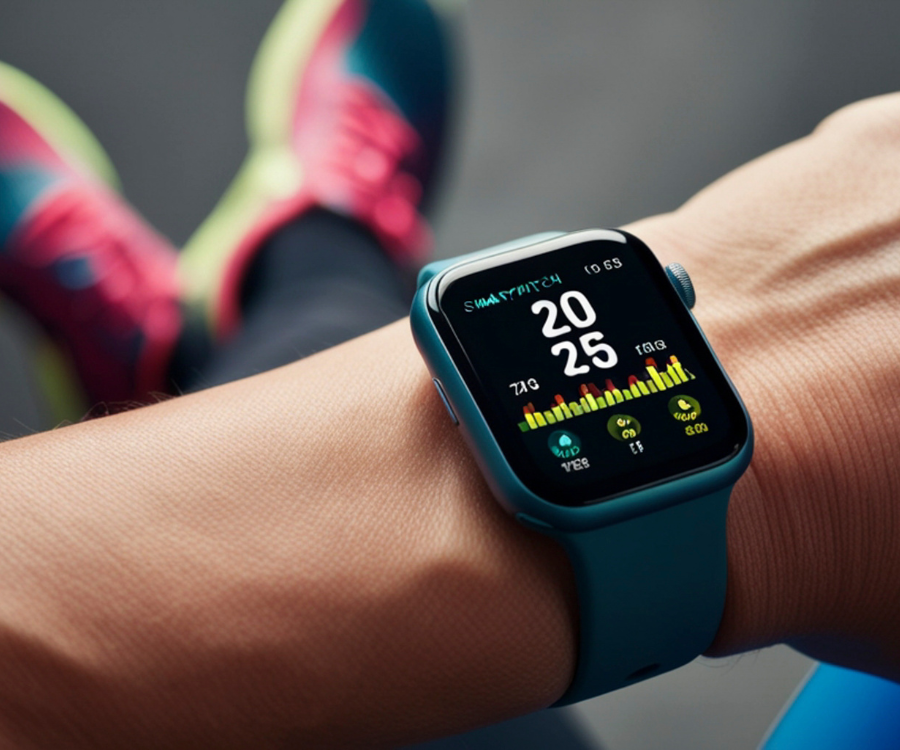
Can Your Smartwatch Tell You Anything About Your Eye Health?

Can Your Smartwatch Tell You Anything About Your Eye Health?

Smartwatches have transformed from high-tech step counters into legitimate wellness hubs. With a quick glance at your wrist, you can check your heart rate, review last night’s sleep stages, or track your stress levels.

Can your smartwatch tell you anything about your eye health?

The short answer is: Yes, but indirectly.

While Apple Watches, Galaxy Watches, and Fitbits cannot peer into your pupil or measure intraocular pressure, they can track crucial systemic health indicators that directly impact your vision. From blood sugar trends to sleep quality, your wristwear collects data that could alert you to vision risks long before symptoms show up.

The Hidden Link Between Wrist Metrics and Vision

Your eyes rely on a complex network of tiny blood vessels and nerves. Because the retina is closely tied to your cardiovascular, nervous, and metabolic systems, the general health data your watch collects can serve as an early warning system for your eyes.

Here is how modern smartwatch features connect to ocular health:

1. Blood Pressure & Cardiovascular Tracking

  • The Metric: Heart rate monitoring, ECG features, and blood pressure estimation.
  • The Eye Connection: High blood pressure damages the delicate blood vessels supplying your retina, leading to hypertensive retinopathy or retinal vein occlusion. Additionally, irregular heart rhythms like atrial fibrillation increase the risk of ocular strokes (retinal artery occlusion).
  • The Takeaway: Catching cardiovascular spikes on your wrist allows you to manage hypertension before it causes permanent visual field loss.

2. Metabolic Health & Continuous Glucose Syncing

  • The Metric: Biosensor syncs, activity logging, and metabolic tracking.
  • The Eye Connection: Uncontrolled blood sugar is the leading cause of diabetic retinopathy—a condition where damaged blood vessels leak fluid into the retina. Many modern smartwatches and smart bands now integrate directly with Continuous Glucose Monitors (CGMs), letting you view real-time sugar fluctuations on your watch face.
  • The Takeaway: Stable blood sugar means stable ocular blood vessels.

3. Sleep Tracking & Sleep Apnea Alerts

  • The Metric: Sleep duration, sleep architecture (REM vs. Deep), and FDA-cleared sleep apnea notifications.
  • The Eye Connection: Poor sleep and Obstructive Sleep Apnea (OSA) cause chronic low oxygen levels and inflammation. OSA is strongly linked to severe eye conditions, including:
    • Glaucoma: Increased pressure and reduced blood flow damage the optic nerve.
    • NAION (Non-Arteritic Anterior Ischemic Optic Neuropathy): Sudden, painless vision loss caused by poor blood flow to the optic nerve.
    • Floppy Eyelid Syndrome & Severe Dry Eye.
  • The Takeaway: If your watch repeatedly flags poor sleep or oxygen dips, an evaluation could save your vision as well as your rest.

4. Ambient Light & Outdoor Time Monitoring

  • The Metric: Ambient light sensors and outdoor time tracking (featured prominently on Apple Watch and Garmin).
  • The Eye Connection: Studies show that spending at least 80–120 minutes outdoors daily in natural sunlight significantly reduces the risk and progression of myopia (nearsightedness) in children and young adults.
  • The Takeaway: Parents can use smartwatch outdoor exposure metrics to ensure kids are getting enough natural sunlight to slow down vision changes.

5. Stress Markers (Heart Rate Variability)

  • The Metric: HRV and stress tracking.
  • The Eye Connection: High physiological stress spikes cortisol and adrenaline. Chronic stress can trigger Central Serous Chorioretinopathy (CSCR)—a condition where fluid accumulates under the retina, causing temporary blurs or distortions. Elevated stress can also temporarily increase intraocular pressure.

What Smartwatches CANNOT Do

It is vital to understand the limits of consumer wearables. A smartwatch is a daily wellness companion, not a medical diagnostic tool for the eyes.

What Your Smartwatch CAN TrackWhat Your Smartwatch CANNOT Do
Systemic risk factors (BP, glucose, sleep)Measure Intraocular Pressure (IOP)
Outdoor sunlight durationDetect retinal tears or detachments
Physical activity and metabolic trendsCheck visual acuity or refractive error
Heart rhythm irregularitiesDiagnose cataracts, macular degeneration, or glaucoma

Note: Dedicated medical wearables—like sensor-embedded smart contact lenses that track 24-hour intraocular pressure or specialized eye-tracking glasses—are being developed for clinical use. However, standard wrist-worn smartwatches do not feature these optical sensors.

How to Use Your Smartwatch Data at the Eye Clinic

Your smartwatch data provides helpful context for your eye care professional. Here is how to make the most of it:

  1. Share Sleep & Blood Pressure Patterns: If you are being treated for glaucoma or unexplained optic nerve changes, let your doctor know if your watch shows low nighttime oxygen or high blood pressure spikes.
  2. Review Metabolic Logs: If you have diabetes, bringing 30-day glucose sync trends to your annual dilated eye exam gives your optometrist a clearer picture of your vascular risk.
  3. Set Screen Break Reminders: Use your watch’s haptic timer to practice the 20-20-20 rule (every 20 minutes, look at something 20 feet away for 20 seconds) to prevent digital eye strain and dry eye.

The Verdict

While your smartwatch can’t replace a comprehensive dilated eye exam, it acts as an early detection bridge. By highlighting broader systemic issues like hypertension, poor sleep, and blood sugar spikes, your wristwear provides clues that help protect your sight long before vision loss occurs.