
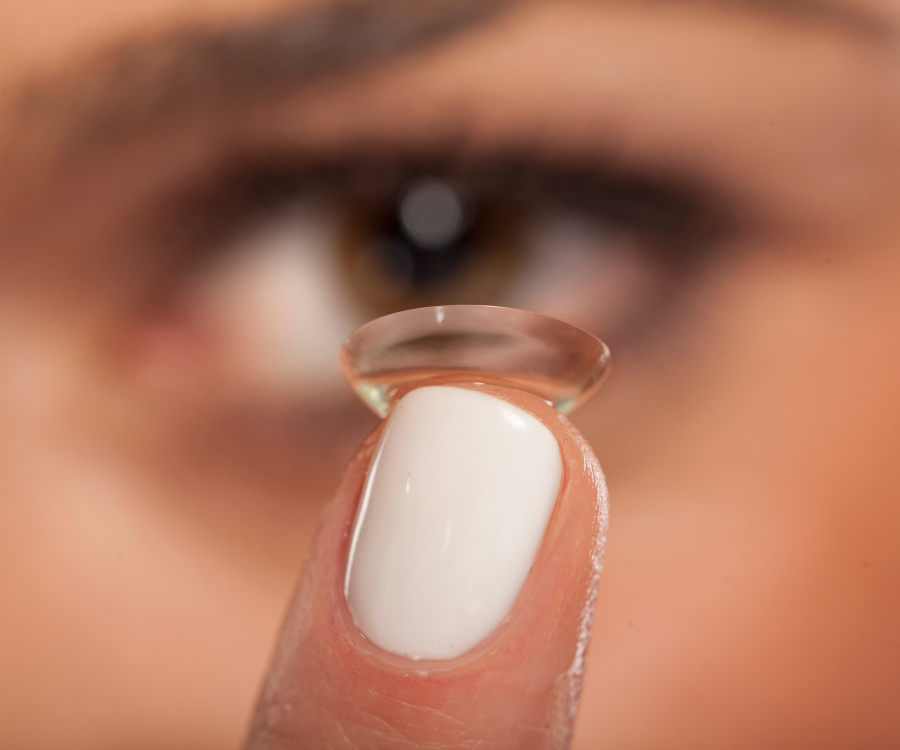
Contact lenses offer freedom from frames, unobstructed peripheral vision, and everyday convenience. However, because they sit directly against delicate ocular tissue, improper use turns a medical device into a breeding ground for complications like corneal ulcers, chronic dry eye, and severe microbial infections.
1. Sleeping in Lenses Not Approved for Overnight Wear
Your cornea relies on atmospheric oxygen to stay healthy. Wearing contact lenses overnight starves the corneal surface of vital oxygen, causing corneal neovascularization (abnormal blood vessel growth) and increasing the risk of microbial keratitis up to eightfold. Unless your optometrist has prescribed extended-wear lenses, take them out before sleep.
2. Letting Water Touch Your Contacts
Showering, swimming, or rinsing lenses in tap water exposes your eyes to microscopic pathogens like Acanthamoeba—a waterborne amoeba that causes excruciating, vision-threatening infections.
- Remove lenses before entering pools, hot tubs, or lakes.
- Never store lenses in bottled, distilled, or tap water.
- Keep eyes tightly shut if washing your face while lenses are in.
3. “Topping Off” Disinfecting Solution
Pouring fresh solution into old solution inside your lens case dilutes the active antimicrobial ingredients. This leaves residual bacteria, proteins, and lipids to incubate on your lenses overnight. Empty the case completely every morning, let it air dry upside down, and refill it with 100% fresh multipurpose or hydrogen-peroxide solution each night.
4. Keeping the Same Lens Case for Months
Contact lens cases develop invisible bacterial biofilms over time. Even if you scrub the plastic, bacteria embed themselves permanently. Replace your lens case every one to three months, or immediately whenever you open a new bottle of solution.
5. Stretching Replacement Schedules
Pushing a two-week disposable lens to four weeks or wearing monthly lenses for two months leads to protein buildup, reduced oxygen transmissibility, and micro-tears on the corneal epithelium. Adhere strictly to the manufacturer’s wear schedule, regardless of how comfortable the lenses still feel.
6. Skipping the “Rub and Rinse” Step
Even with “no-rub” multipurpose solutions, ophthalmological guidelines recommend gently rubbing your lenses with your fingertip for 5 to 10 seconds before rinsing. This physical action dislodges stubborn lipids, cosmetics, and environmental debris that chemical soaking alone cannot dissolve.
7. Touching Lenses with Wet or Dirty Hands
Transferring hand lotions, scented soaps, and residual moisture directly onto the lens causes stinging and transfers bacteria. Always wash your hands thoroughly with mild, fragrance-free soap, and dry them completely with a lint-free towel before handling lenses.
8. Wearing Contacts While Eyes Are Irritated
If your eyes feel gritty, red, or irritated, your eye is signaling distress. Inserting a contact lens traps irritants against the cornea and worsens inflammation. Remove the lenses immediately, switch to backup glasses, and consult an eye care professional if redness or pain persists beyond a few hours.
9. Applying Makeup Before Inserting Lenses
Powders, mascara flakes, and eyeliner pencils can easily smudge onto the lens surface if lenses are put in last. Follow this sequence:
- Morning: Insert contacts before applying makeup.
- Evening: Remove contacts before washing off makeup.
10. Skipping Routine Annual Eye Exams
Contact lens prescriptions require precise measurements of corneal curvature and tear film stability, not just visual acuity. Skipping annual checkups means missing early warning signs of hypoxia, asymptomatic infections, or improper lens fit before permanent corneal scarring occurs.
| Common Mistake | Immediate Eye Risk | Correct Practice |
| Tap water exposure | Acanthamoeba keratitis | Multipurpose or saline solution only |
| Topping off solution | Ineffective disinfection | Discard old solution daily |
| Over-wearing disposables | Corneal hypoxia, giant papillary conjunctivitis | Replace on calendar schedule |
| Sleeping in lenses | Severe bacterial keratitis | Remove every night |