
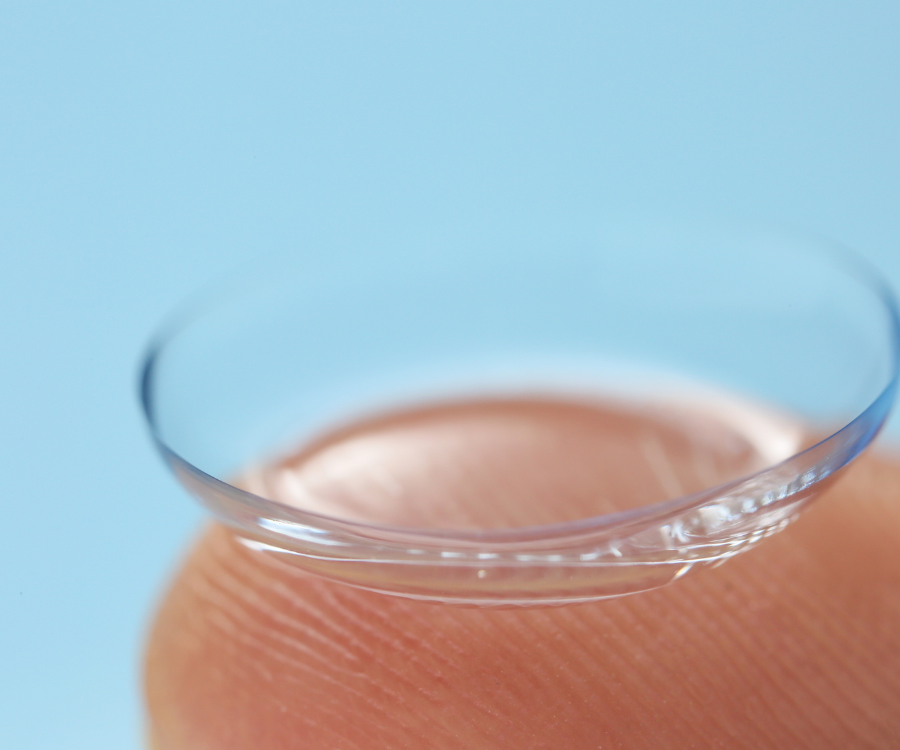
Contact Lens Hygiene in a Digital World: How to Protect Your Eyes in the Screen Age
Between smartphones, laptops, tablets, and TVs, most of us spend the better part of our day staring at a screen. Whether you are running a business from your phone, managing client campaigns, or winding down with a movie, your eyes are working overtime.
If you wear contact lenses, this digital-heavy lifestyle introduces a unique set of challenges. Ever notice how your eyes feel incredibly dry, gritty, or tired by 3:00 PM? It is not just standard fatigue—it is a byproduct of how our eyes behave in front of screens, and it makes proper contact lens hygiene more critical than ever.
Here is a look at why the digital world is tough on contact lenses, and the essential habits you need to adopt to keep your eyes healthy, clear, and comfortable.
The Digital Dilemma: Why Screens and Contacts Do Not Mix
When you stare at a digital screen, your blink rate drops by up to 50%. Instead of the normal 15 to 20 blinks per minute, we often drop to just 5 to 7.
Blinking is your body’s natural way of resurfacing the tear film across your eye. For contact lens wearers, every blink lubricates the lens. When you stop blinking, the lens dries out, tightens, and begins to draw moisture directly from your cornea. This creates a magnet for dust, protein build-up, and cosmetic residue, increasing both discomfort and the risk of micro-scratches on the eye surface.
4 Essential Hygiene Rules for the Digital Screen Age
To prevent irritation and protect your vision, your daily lens care routine needs to adapt to your screen time.
1. Master the “Rub and Rinse” Method
Even if your solution bottle says “No Rub,” digital strain causes more lipid and protein deposits to bake onto the lens surface during the day.
- Always wash your hands thoroughly with antibacterial soap and dry them with a lint-free towel.
- Place the lens in your palm, add a few drops of fresh multi-purpose solution, and gently rub the lens with your finger for 10 to 15 seconds before rinsing and storing.
2. Ditch the Tap Water (Completely)
It can be tempting to quickly rinse a dry lens with tap water during a long working session, but this is incredibly dangerous. Tap water contains microscopic organisms, such as Acanthamoeba, which can cling to the lens and cause severe, sight-threatening corneal infections. Only use sterile, prescribed contact lens solutions.
3. Lubricate Safely
If your lenses feel like sandpaper while you are working, reaching for standard over-the-counter eye drops can actually make things worse. Many standard drops contain preservatives that can discolor or damage contact lenses. Stick strictly to preservative-free rewetting drops specifically labeled as contact lens-compatible.
4. Swap Out Your Lens Case Regularly
Your lens case is a prime breeding ground for bacteria. Every day, empty the old solution, rinse the case with fresh solution (never water), and let it air dry face down on a clean tissue. Replace the entire case every one to three months without exception.
Smart Habits to Reduce Digital Eye Strain
Good hygiene goes hand-in-hand with daily habits. Incorporate these three quick practices into your workspace setup to give your eyes a necessary break:
| Practice | How It Helps | Action Step |
| The 20-20-20 Rule | Resets your blink rate and relaxes focusing muscles. | Every 20 minutes, look at something 20 feet (6 meters) away for at least 20 seconds. |
| Optimize Ergonomics | Reduces the surface area of the eye exposed to air, lowering evaporation. | Position your monitor so the top of the screen is at or slightly below eye level, looking downward. |
| Take a Lens Break | Gives the cornea a chance to breathe and absorb natural oxygen directly. | Swap your contacts for glasses at least one to two hours before bed, or dedicate one full day a week to frames. |
A Quick Reminder on Blue Light Lenses: If you are looking into blue-light-blocking technology to ease your screen time, remember that standard contact lenses do not block blue light unless specifically engineered to do so. Wearing a pair of non-prescription blue-light glasses over your contacts while working can offer an extra layer of comfort against harsh glare.
When to See an Eye Care Professional
If you practice flawless hygiene and still experience persistent redness, pain, light sensitivity, or blurred vision, it is time to take the lenses out and consult an optometrist or ophthalmologist. You may benefit from switching to daily disposable lenses, which offer a fresh, sterile surface every single morning—perfect for heavy screen users.
Your vision is your most valuable asset. Taking an extra two minutes a day to prioritize lens hygiene ensures you can navigate the digital world comfortably, safely, and with perfect clarity.