
• Mon - Fri 8.00 - 17.30 & Sat 9.00-14.00

Category Archives: Uncategorized

Categories Uncategorized

Improving Your Sight

Are you looking for ways to improve your eyesight naturally? Good news! There are various methods to enhance your vision without undergoing surgery or using contact lenses and glasses. In this post, we will share with you the best ways to improve your eyesight.

  1. Eat Nutritious Food

Eating a balanced and nutritious diet is not only beneficial for your overall health but also for your eyesight. Your eyes need essential nutrients like vitamins A, C, and E, omega-3 fatty acids, and minerals such as zinc and copper to function properly. Foods that are rich in these nutrients include leafy greens, fish, eggs, citrus fruits, carrots, and sweet potatoes.

  1. Exercise Your Eyes

Just like any other part of your body, your eyes need exercise too. Eye exercises can improve blood circulation, strengthen eye muscles, and help to prevent eye strain and fatigue. Some examples of eye exercises include focusing on distant objects, rolling your eyes in a circular motion, and practicing eye yoga.

  1. Take Breaks from Screen Time

Staring at a computer or phone screen for an extended period can cause eye strain and fatigue. To avoid this, take regular breaks by following the 20-20-20 rule. Every 20 minutes, take a break for 20 seconds and look at something 20 feet away. Additionally, ensure that you maintain a comfortable distance from your screen, adjust the brightness and contrast levels, and avoid working in a dimly lit room.

  1. Get Enough Sleep

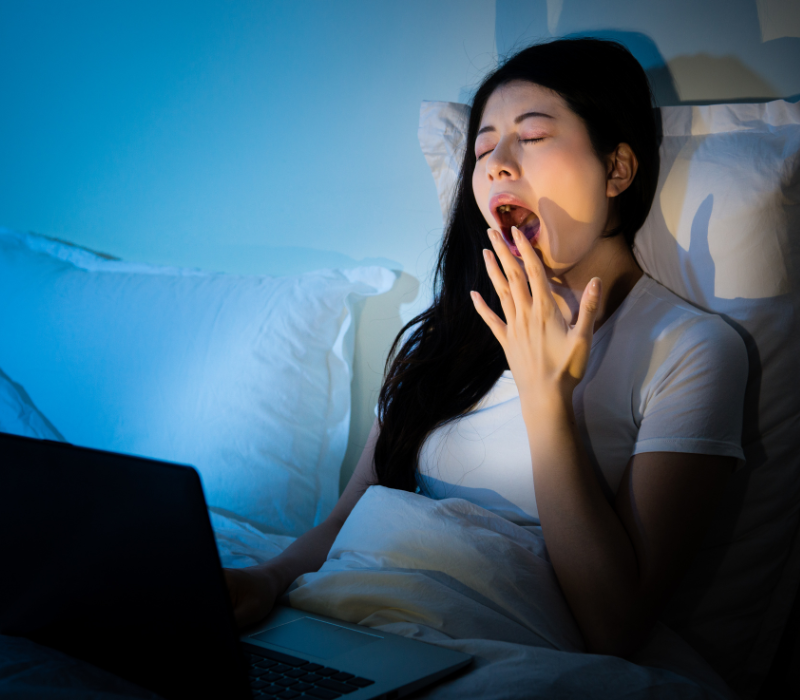
Sleep deprivation can cause eye fatigue, which can lead to blurry vision and eye strain. Aim to get at least 7-8 hours of sleep every night to allow your eyes to rest and repair. Additionally, try to avoid using your electronic devices before bedtime, as the blue light emitted can interfere with your sleep patterns.

  1. Practice Good Eye Hygiene

Maintaining good eye hygiene can help prevent eye infections and other eye-related problems. Avoid touching your eyes with dirty hands, and ensure that you clean your hands and face regularly. Additionally, avoid sharing your makeup and contact lenses with others, and replace your contact lenses as directed by your eye doctor.

Improving your eyesight naturally is possible with the right habits and practices. By eating nutritious food, exercising your eyes, taking breaks from screen time, getting enough sleep, and practicing good eye hygiene, you can enhance your vision and maintain good eye health. However, it’s essential to consult with your eye doctor if you experience any eye-related issues or discomfort.

Categories Uncategorized

Blur Vision Issues

Our vision is an essential aspect of our daily lives. It allows us to perceive the world around us, navigate our environment, and appreciate the beauty of the world. However, various factors such as age, genetics, and lifestyle choices can lead to vision loss or blindness. According to the World Health Organization (WHO), an estimated 253 million people worldwide are visually impaired, with 36 million of them being blind. In this blog post, we will discuss some of the signs that indicate you are going blind.

  1. Gradual loss of vision

One of the most common signs that you are going blind is a gradual loss of vision. If you notice that your vision is becoming increasingly blurry, hazy, or dim, it could be a sign of vision loss. This can happen due to various reasons, such as cataracts, glaucoma, or macular degeneration. If you are experiencing a gradual loss of vision, it’s essential to seek medical attention immediately.

  1. Sensitivity to light

If you find yourself squinting or shielding your eyes from bright lights, it could be a sign of an underlying vision problem. This sensitivity to light is often a symptom of various eye conditions, including cataracts, retinal detachment, and uveitis. If you notice that you are becoming more sensitive to light, it’s important to see an eye doctor immediately.

  1. Blurred or distorted vision

Blurred or distorted vision is a common sign of vision loss. If you notice that your vision is becoming distorted, such as seeing wavy or crooked lines, it could be a sign of macular degeneration. Additionally, if you notice that objects or text appear blurry, it could be a sign of myopia, hyperopia, or astigmatism.

  1. Double vision

Double vision is a condition where you see two images of a single object. It can happen due to various reasons, such as a misalignment of the eyes, corneal irregularities, or cataracts. If you experience double vision, it’s essential to seek medical attention immediately.

  1. Difficulty seeing at night

If you find it challenging to see in dimly lit environments, it could be a sign of night blindness. Night blindness is a condition that affects the ability to see in low light conditions. It can be caused by various factors, such as vitamin A deficiency or retinitis pigmentosa.

In conclusion, vision loss is a serious condition that can impact your daily life. If you experience any of the signs mentioned above, it’s essential to seek medical attention immediately. Early detection and treatment can help prevent further vision loss and improve your quality of life. Additionally, it’s essential to have regular eye exams, even if you don’t notice any signs of vision loss. Remember, prevention is always better than cure.

Categories Uncategorized

CRYING BUT CAN’T HELP IT?

Tears are a natural and necessary part of eye health. They help to keep our eyes lubricated and comfortable, and they also wash away debris and irritants that may come into contact with our eyes. However, there are several reasons why your eyes may become excessively teary:

  1. Eye Irritation: When your eyes are exposed to irritants such as dust, smoke, pollen, or foreign objects, they may produce more tears as a defense mechanism to flush out the irritants and protect the eyes.
  2. Dry Eyes: Ironically, dry eyes can also cause excessive tearing. When your eyes are not adequately lubricated, they can become irritated, leading to an overproduction of tears as your eyes try to compensate for the dryness.
  3. Allergies: Allergens such as pet dander, pollen, or mold can trigger an allergic reaction in your eyes, causing redness, itching, and tearing.
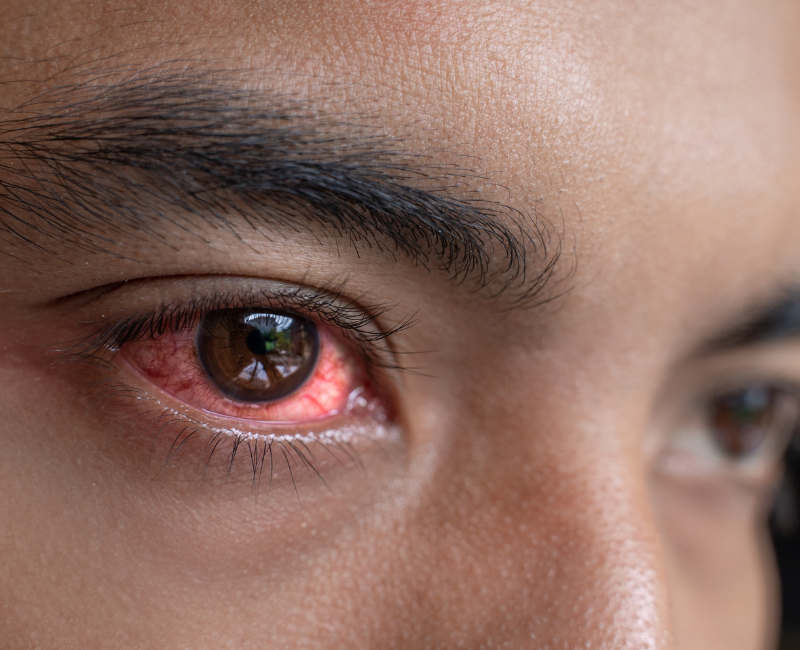
  4. Eye Infections: Eye infections, such as conjunctivitis or pink eye, can cause excessive tearing along with other symptoms like redness, discharge, and blurred vision.
  5. Eyestrain: Prolonged use of digital screens, reading, or focusing on a particular task for an extended period can strain your eyes and cause them to tear up.

What Should You Do if You Have Teary Eyes?

If you experience excessive tearing, it’s essential to determine the underlying cause and address it appropriately. Here are some tips from Peermed Optometrist to help you manage teary eyes:

  1. Avoid rubbing your eyes: Rubbing your eyes when they are tearing can make the situation worse by spreading irritants and causing further eye irritation. Use a clean tissue or a cloth to gently dab your eyes instead.
  2. Rinse your eyes: If you suspect that your eyes are tearing due to exposure to irritants, rinse your eyes with clean, lukewarm water to flush out any debris.
  3. Use artificial tears: If you have dry eyes, using over-the-counter artificial tears can help lubricate your eyes and reduce excessive tearing.
  4. Manage allergies: If allergies are causing your eyes to tear up, try to identify and avoid allergens, and use antihistamine eye drops as recommended by your optometrist.
  5. Take regular eye breaks: If you spend long hours staring at screens or engaging in close-up work, take regular breaks to rest your eyes and reduce eye strain.
  6. Visit your optometrist: If you experience persistent or recurrent teary eyes, it’s essential to consult your optometrist for a comprehensive eye examination to determine the underlying cause and receive appropriate treatment.

Trust Peermed Optometrist for Your Eye Health

At Peermed Optometrist, our team of experienced optometrists is dedicated to providing comprehensive eye care services, including eye examinations, diagnosis, and treatment of various eye conditions. We offer personalized care and tailored treatment plans to help you achieve optimal eye health. Don’t let teary eyes affect your daily life. Contact Peermed Optometrist today to schedule an appointment and take the first step towards clear and healthy eyesight.

Categories Uncategorized

Why You Should Not Wear The Wrong Glasses

As someone who wears glasses, you know how important it is to have the right prescription. Without the right lenses, your vision can suffer, leading to headaches, eye strain, and other uncomfortable symptoms. However, wearing the wrong glasses can be more than just a nuisance – it can actually be dangerous. Here are some of the risks associated with wearing the wrong glasses, and how Peermed Optom can help.

Increased Risk of Accidents Wearing glasses that are too weak or too strong can impact your depth perception, making it harder to judge distances. This can be especially dangerous when driving or participating in other activities that require accurate spatial awareness. If you notice that you are having difficulty judging distances or have experienced an increase in accidents, it may be time for a new prescription.

Eye Strain and Fatigue Wearing glasses that are not suited to your eyes can cause a range of uncomfortable symptoms, including eye strain, fatigue, headaches, and neck pain. This can make it harder to focus on tasks, leading to decreased productivity and increased frustration. If you find yourself experiencing these symptoms regularly, it’s worth getting your eyes checked.

Increased Risk of Eye Infections Wearing glasses that don’t fit properly can increase the risk of eye infections, as they can rub against the eyelids and cause irritation. This can be especially true for contact lenses, which require a specific fit to prevent bacteria from entering the eye. If you’re experiencing redness, itching, or other signs of eye irritation, it’s essential to get your glasses checked out.

How Peermed Optom Can Help At Peermed Optom, our experienced optometrists can help you get the right prescription for your eyes, ensuring that your glasses fit properly and provide maximum visual acuity. We use state-of-the-art equipment to perform comprehensive eye exams, including tests for color blindness, depth perception, and eye muscle coordination. Our optometrists can also provide advice on the best lenses for your lifestyle, including anti-glare coatings and blue light filters.

In addition to our eye exams, Peermed Optom offers a range of other services, including fittings for contact lenses and advice on eye health and nutrition. We also stock a wide range of frames from top brands, so you can find the perfect glasses to suit your style and budget.

Don’t take chances with your vision – if you’re experiencing discomfort or think you may be wearing the wrong glasses, book an appointment with Peermed Optom today. Our experienced optometrists will give you the advice and care you need to keep your eyes healthy and your vision clear.